

This week we celebrate the 56th annual Earth Day, an international celebration of all things eco-friendly. Here at Wine Spectator, I get all kinds of questions related to the environment, from the technicalities of winemaking to the proper etiquette at restaurants. Here’s a rundown of some of my favorite questions about the climate, winemaking and how to be a responsible Earth-loving wine drinker.
The Wine World Vs. the Climate Crisis
So, let’s start with the elephant in the room: How big of a threat is climate change to wine production?
While climate change poses a major threat to the wine industry, we are optimistic that wine will always be made so long as people are around to enjoy it. It’s certainly true that some warmer regions might struggle to continue producing quality wines. But other regions that were previously too cool for winegrowing might soon be considered prime terroir. There’s little doubt that the map of the wine world will look different in the future, but that’s not necessarily a bad thing.
Winemakers all over the world are wrestling with the issues posed by climate change. Many aspects of winemaking, from farming practices to packaging materials, are being examined.

Researchers are experimenting with heat-tolerant and drought-resistant grapes, including hybrids, and new methods of frost protection are being investigated. Lighter bottles are gaining favor. More and more vintners are embracing biodynamic and regenerative farming methods.
No-Till, Organic, Biodynamic, Oh My!
Some wineries are embracing no-till farming.
For years, tilling (in addition to weeding) was thought to be a good way to aerate and warm the earth. It was thought that mixing cover crop vegetation, especially legumes, into the ground could add nutrients, particularly nitrogen, into the soil.
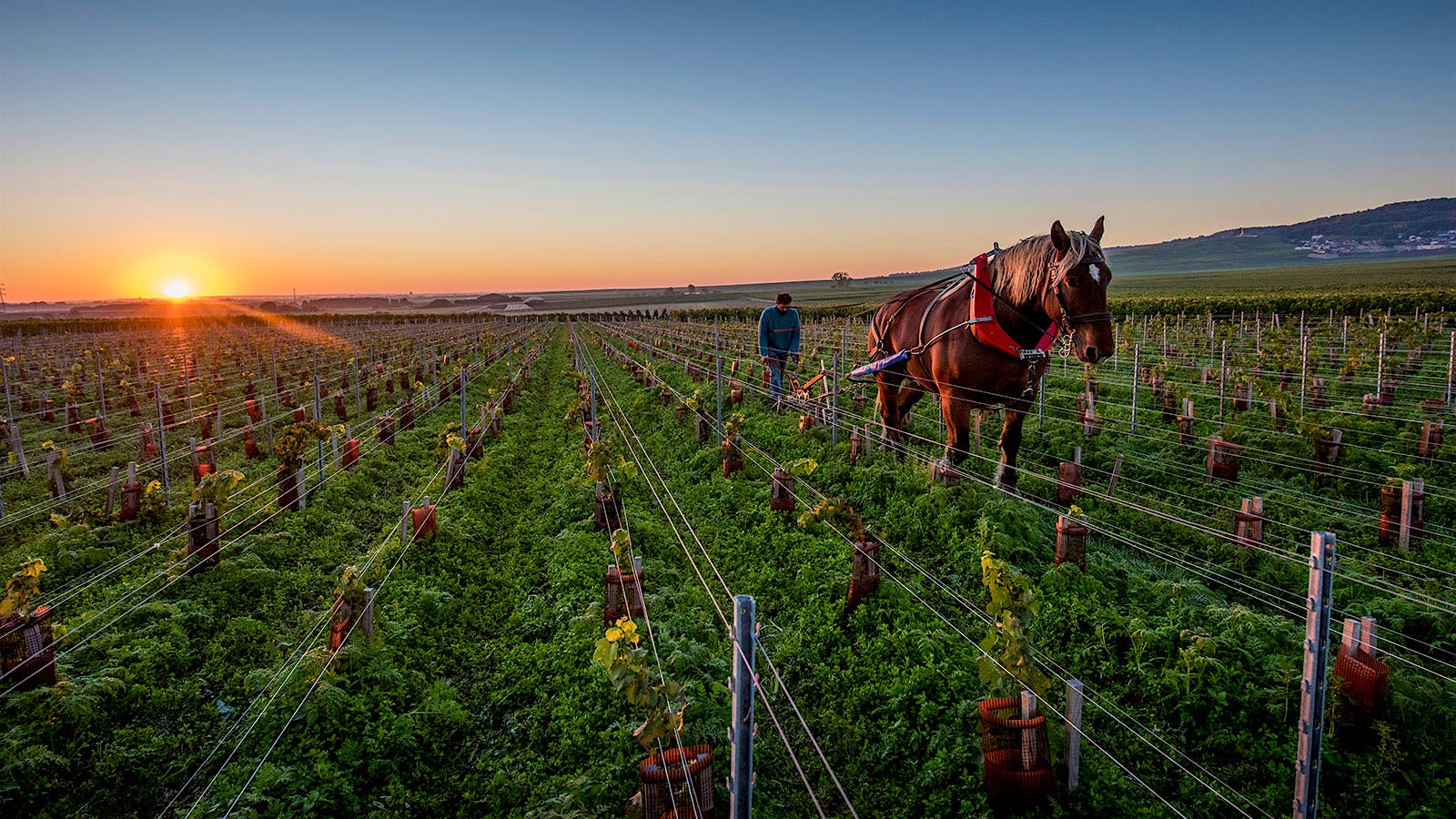
But as farming practices developed, innovations like drip irrigation gave vintners more control, and new technology to measure the amount of water in the soil gave more data points. Over time, the thinking evolved. Now, with no-till or low-till approaches, which leave the cover crops undisturbed (outside of some possible mowing), growers can cut down on soil disturbances, which is now believed to improve soil health.
And while we’re on it, what actually is biodynamic farming?
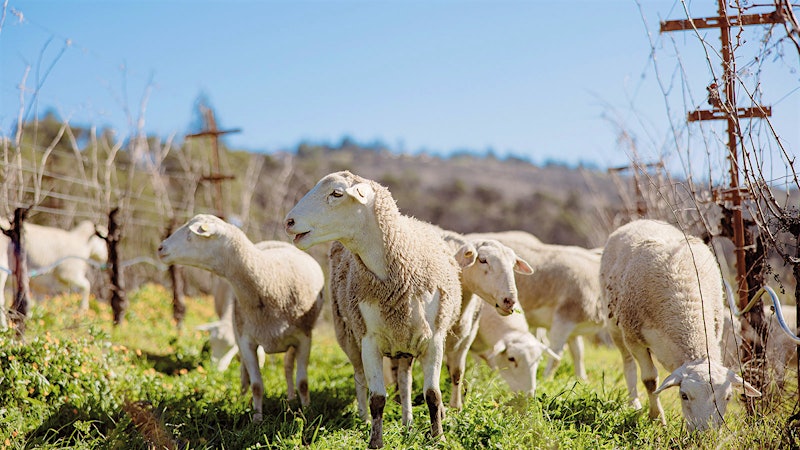
Biodynamic farming is a method similar to organic farming, in the sense that both forbid the use of synthetic chemicals, but biodynamic farming looks at the whole farm, creating a self-sustaining ecosystem by incorporating practices such as cover crops, composting, the use of livestock and natural methods of pest control.
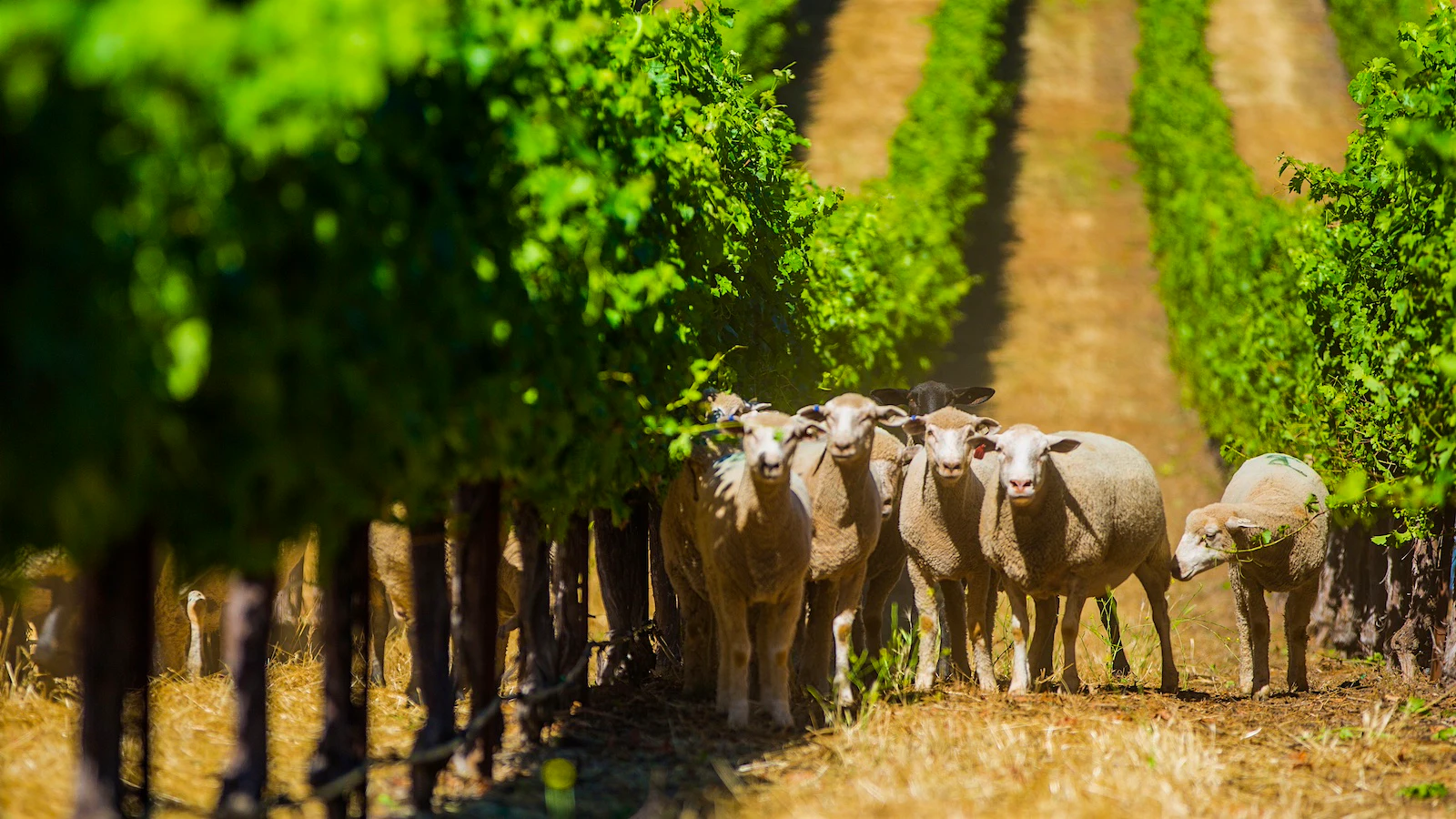
Like these woolly firefighters in wine country!
So if biodynamic winemaking is similar to organic winemaking, what’s the difference between organically grown and organically made wine?
When it comes to wine, there are a couple categories of organic labeling, but all such claims must be certified by a third party.
In the United States, under USDA regulations, some wines are labeled “made from organic grapes,” meaning all of the grapes were grown under certified organic conditions (without the use of synthetic fertilizers, pesticides or herbicides), just like the organic produce at the grocery store.
If a wine is labeled “organic,” that means all the grapes were certified as being grown organically and the wine was made under certain restrictions, including that any added yeast must also be organic and that no sulfites be added.
Remember, sulfites are legal and natural byproducts of wine production (and are present in other products, from molasses to dried fruit), and many winemakers add additional sulfites to help stabilize and preserve wines. Except for a small percentage of the population that is sensitive to sulfites, these chemical compounds are harmless and are not responsible for headaches.
Reduce, Reuse, Recycle: What To Do With Your Bottles and Corks

You may have heard that new glass bottles are responsible for a large part of wine’s carbon footprint. Why isn’t wine bottled in recycled glass?
While some wine bottles are indeed made from recycled glass, it’s true that many are not.
One of the reasons is that they’re often dyed green or brown, and they need to be sorted by color—if not by the consumer, then by the recycling facility. Additionally, glass is heavy, and that makes transporting it to sometimes-far-away recycling facilities expensive.
The good news is that glass is recyclable, and in the Netherlands, more than 90% of glass containers end up being recycled. That’s far more than here in the U.S., where various agencies report that only about a quarter to a third of our glass containers are recycled. America needs to do a better job of going Dutch!
In the meantime, there are plenty of fun ways to upcycle your glass bottles at home, like turning them into unique glassware!
What about recycling my corks?

There are several good options for getting rid of used wine corks in an environmentally friendly way.
Most synthetic corks and screwcaps are recyclable, but whether they are accepted depends on your location. Natural corks are biodegradable, so I put them in the compost bin.
There are also some amazing companies that collect corks for upcycling. You can check at ReCork to see if there’s a drop-off location near you, or check out the options to mail in your corks to Cork Club.
I should also mention Sole, a Canadian company that upcycles corks collected by ReCork into stylish footwear. If you’d like to recycle your corks and wear them too, you’re in luck!
Finally, for a tasty Earth Day activity, reuse your leftover wine and make homemade red wine vinegar!