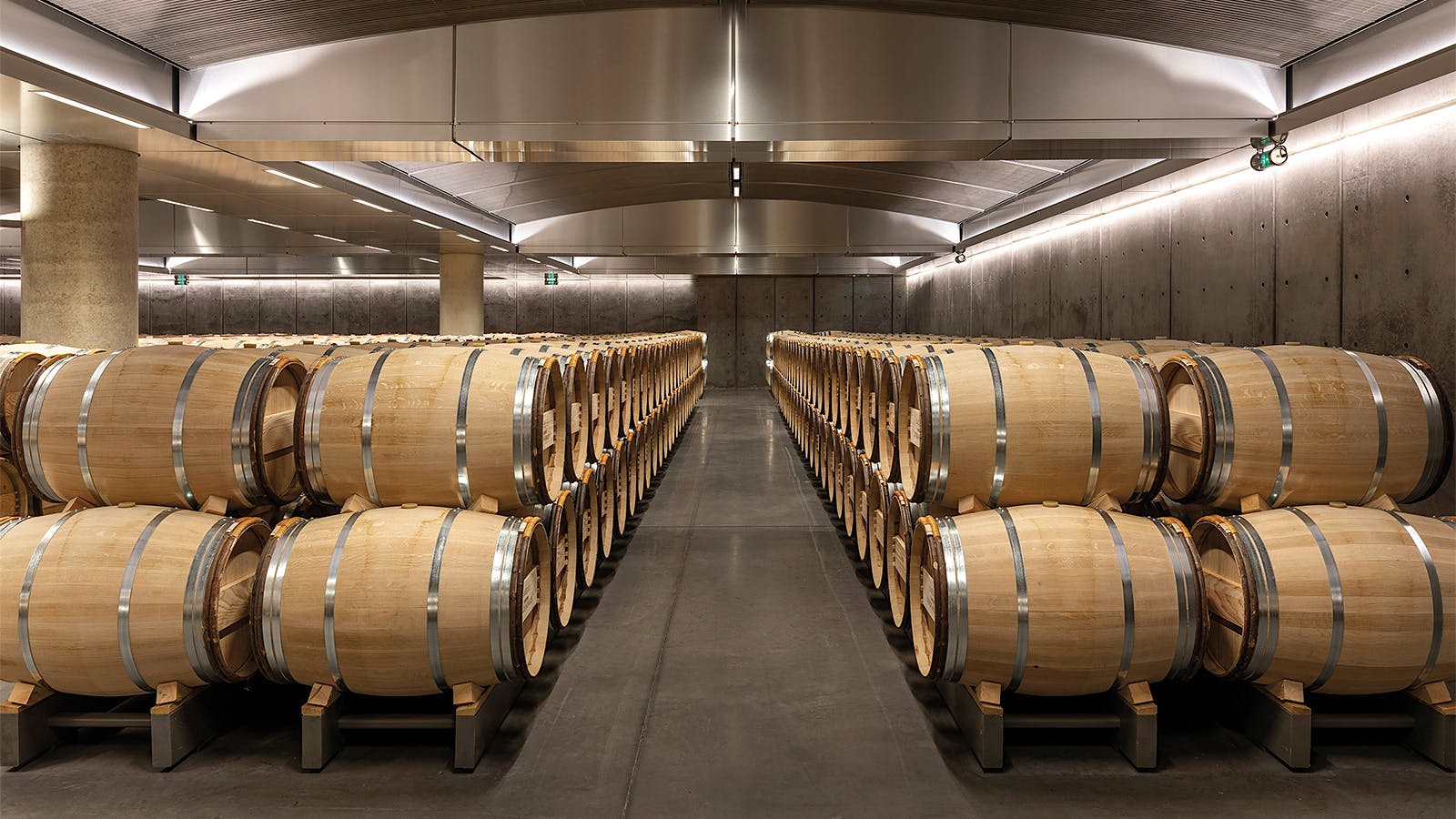


En primeur springs eternal in Bordeaux. An annual rite of passage for France’s most prominent wine region, en primeur is when the trade gets its first serious look at the wines from the most recent vintage, still resting in barrels. It’s also when consumers have their first chance to purchase the wines, well ahead of when they will actually be delivered.
The French version of buying wine futures, en primeur offers an opportunity to lock down an allocation of wine by paying for it in advance. In most cases, and particularly for rare wines, en primeur theoretically offers the best chance to get the wine at what is generally considered its lowest price. The reality today, though, is much different than a generation ago.
In the past, it was possible for consumers to make considerable profits. When bought en primeur in 1983, the Château Latour 1982 grand vin cost about $40 a bottle. It now sells for about $3,000 per bottle on the auction market. That’s a rare example though. More often, through the 1990s and early 2000s, consumers would most likely have doubled or tripled their investment on the grand vins from prominent blue-chip estates if they held on to the wines for a decade or more.
More recently though, en primeur has lost considerable traction among consumers. Châteaus have increased their initial ex-cellar prices dramatically over the years, shrinking profit margins for the additional middle players along the way—courtiers, négociants, importers, distributors and retailers. And that’s all before the wine even gets to the consumer.
This trend began with Bordeaux’s 2010 vintage, released en primeur at what were then all-time high prices. While the vintage remains the modern-day qualitative benchmark for the region, its secondary value was unable to sustain itself over time, and many of the wines can now be had for less than their original release price. The trend has continued ever since, and only the 2019 vintage—released during the economic uncertainties of the COVID spring in 2020—has gained in value over time.
So why offer en primeur at all? Bordeaux is a region steeped, and often stuck, in tradition. Weaning off en primeur has proven difficult. The system, when it works, still allows wine estates to pay off debts incurred over the course of the vintage sooner rather than after the wines have been aged, bottled and actually shipped out to markets. But over time, fewer and fewer wineries have found success in the system. Some châteaus have left the system altogether, including Château Latour, which announced in 2012 that it would no longer participate in the futures market. Instead, Latour sells its wines when the vintages are ready for consumption.
Today, en primeur serves a role only for the institutional trade. The annual tradition allows the press to assess the vintage, while the supply chain of négociants, importers and retailers plan their buying. Since the wines no longer provide an investment opportunity, the end consumer is only served by en primeur if they wish to ensure getting a case of wine from a vintage that will go into their cellar for celebrating an important anniversary or birthday down the road.