
A Sit-Down With Alexandra Marnier-Lapostolle
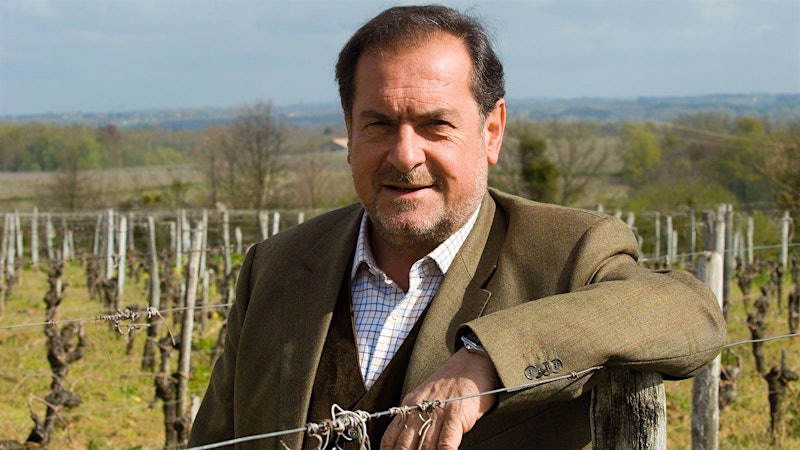
I sat down with Alexandra Marnier-Lapostolle the other day. The owner of Chile’s Casa Lapostolle tempted me with a complete vertical of her Clos Apalta, a blend of Carmenère, Merlot and Cabernet Sauvignon sourced from a small, old-vine plot in the Apalta area of Chile’s Colchagua Valley.
Her high-end wine, which debuted in the ’97 vintage, was one of a small group of ultra-premium wines from Chile that all came out at around the same time. Others in the group include Viña Montes’ Alpha M, Viñedo Chadwick, Viña Almaviva and the former Mondavi-Errázuriz joint venture, Seña. At the time, these wines were expensive and caused a lot of buzz - $70 for a Chilean wine! In addition, only Concha y Toro’s Don Melchor and Viña Santa Rita’s Casa Real were high-end reds from Chile with any sort of track record, which made this new group of wines seem even more startling.
But now with a half-dozen or more vintages under their collective belts, these wines have settled in and slowly but surely proven what heights Chile’s wines can reach. Still, with relatively short histories, their ageability has yet to be fully tested. So, afforded the chance to taste all six vintages of Clos Apalta that have been released to this point, I jumped.
Following are my brief comments on the wines, with the original score upon release in parenthesis. This time around, the wines were not tasted blind, and were tasted from oldest to youngest.
The 1997 (91 points) was the only vintage that was showing some age. It was a bit firm on the finish, without the vivid fruit of the others.
The 1999 (92) – there was no ’98 Clos Apalta made – already shows how Marnier-Lapostolle was getting a handle on the vineyard, which had been removed from drip irrigation to dry farmed after she took it over. The wine is supple and long, and drinking beautifully now.
The 2000 (94) is a big step up – very silky and pure, with a long finish that flows with fruit.
The 2001 (95) continues to be the star though – this set a benchmark for Chilean wine when it was released, and it continues to display gorgeous layers of silky fruit.
The 2002 (93) is a little firmer than the other vintages and shows its wood component a bit more. It’s still outstanding but isn’t as pure as the others.
The 2003 (94) is the equal of the ’00, despite the fact that it’s a warmer year. I find it a touch briary on the finish, without the silky aspect of the ‘00/’01 combo, but the fruit is undeniable.
I was particularly impressed with how open all the wines are; they do not seem to age like Bordeaux, which typically close down for a period before reemerging. Instead, the Clos Apalta gains more harmony and a greater silkiness, while the vivid purple and blue fruits become a bit tamer.
If you’ve had the Clos Apalta wine – young or old - let me know your thoughts.