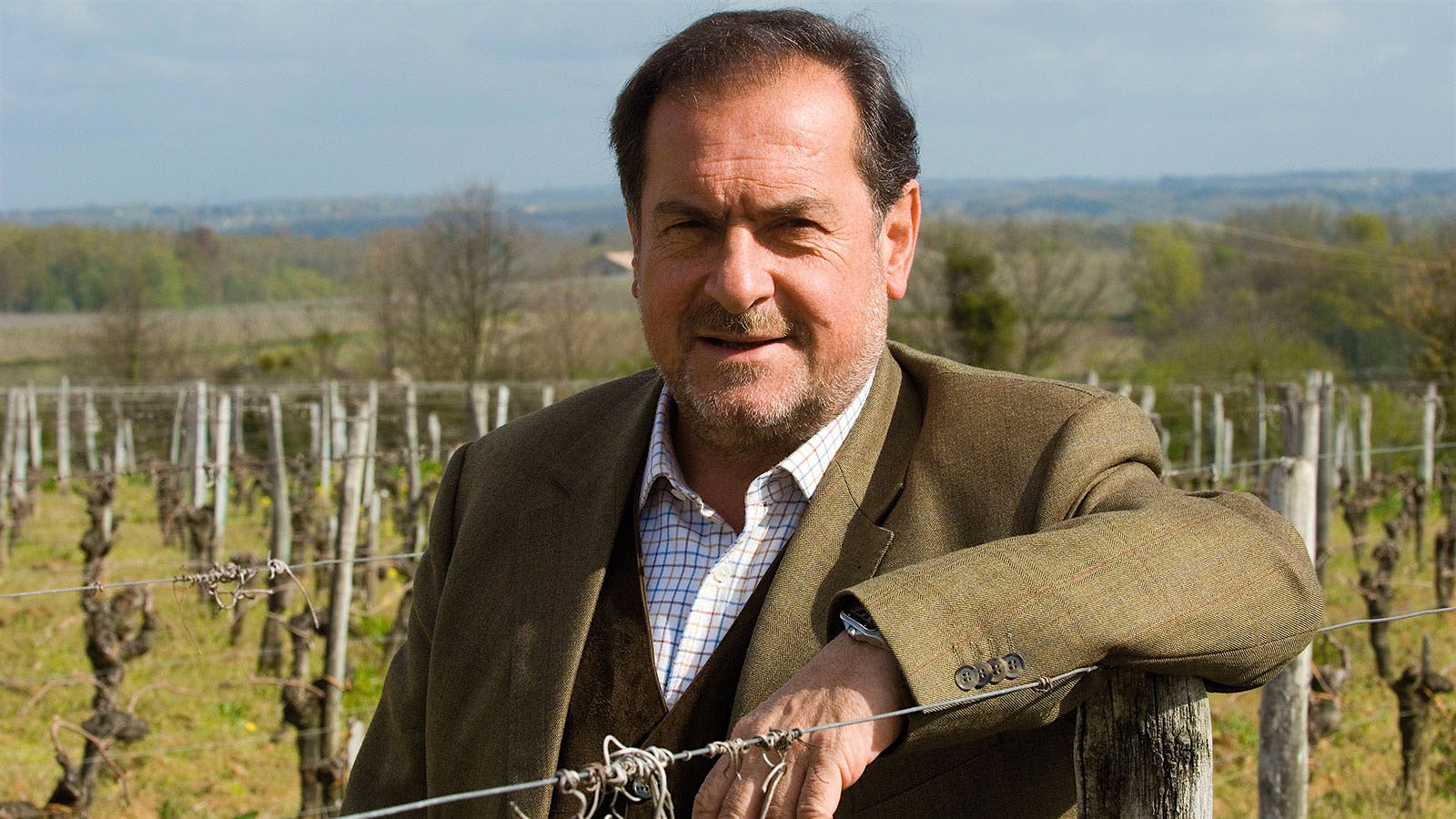


I was struck by the reaction to the passing of Michel Rolland. Not because there was a reaction: He was a titanic figure in wine. I was struck because whenever I’ve had to write an obituary, I’ve had to make a lot of calls. For Rolland, people were calling me without prompting.
First, let’s acknowledge him as a human—father, husband, brother, grandfather. By all accounts from those who considered him a friend or worked with him over a lengthy period of time, Rolland was extroverted, energetic, bold, talkative and engaging. He loved life, be it the glamor of expensive wine or the let-your-hair-down style of an Argentine asado.
Now let’s talk about his impact on wine. Clearly his greatest and most obvious contribution is the way he helped fashion wines that were extroverted with their fruit, soft with their structures and, most often, extremely engaging right out of the gate, just like the man himself.
His supporters, friends and clients thought he fashioned wines that people liked. He knew how to deliver what his clients wanted. He pushed the quality bar higher in established regions and shone a light on less-known ones. His detractors felt his style was too singular and relied on technological tricks in the cellar such as micro-oxygenation—and that the resulting wines’ terroir was masked.
His heyday was the 1990s and early 2000s. By 2010, the style pendulum was making its inevitable swing back in the other direction. The power of Rolland’s style waned as “freshness” and “elegance” became catch words.
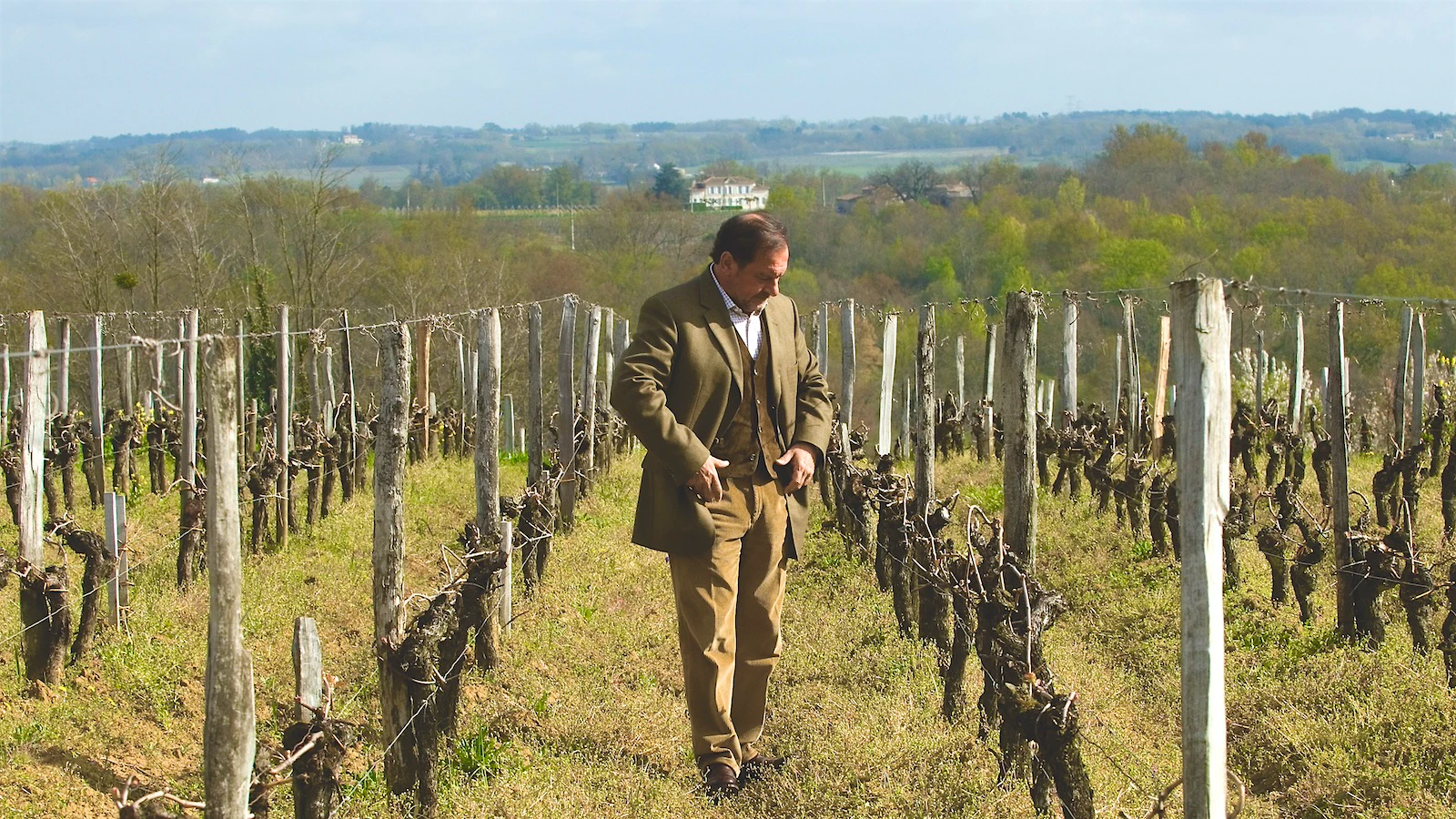
OK, we can obliterate most of the critiques easily. He wore a blazer because he felt like it. He liked to blend more than be in the vineyards because he was good at it. He was chauffeured around because after tasting at multiple wineries over a long day, it’s prudent not to drive yourself. He used technology because it’s both effective and efficient. And he knew that the secret sauce was in the dirt. Whenever a bottle he made was opened, it would split the room. And the way it did reminded me of Ken Kesey’s expression, because you were either on the Rolland bus or off the Rolland bus.
“He believed you’d be wasting your time in the winery until you got your vineyards right,” California vintner Bill Harlan told me.
That leaves us with his style, which was very, very obvious. Here is where I, a Libra, am trying to reconcile my conflicted feelings.
I understand the detractors who feel that his style was heavy-handed or gimmicky. But it wasn’t. Why? It only worked well with great terroirs; he couldn’t magically elevate lesser ones. In the end, there were good wines in the Rolland style and less successful ones, all of which correlated to vineyards.
“At one dinner [Rolland] leaned over to me and said, ‘You know why there are no good wines from Argentina yet? Because there are no A vineyards yet. We need to improve the farming here,’” recalled prolific vintner Paul Hobbs when I spoke with him. “There was what people saw, and there was a guy who knew vineyards.”
One of those vineyards Rolland consulted on was owned by Alexandra Marnier-Lapostolle at her Casa Lapostolle. Their collaboration helped the winery earn Wine Spectator Wine of the Year honors in 2008. The wine put the Colchagua Valley of Chile very much on the wine map.
I reviewed that wine on release and had no problem sticking my neck out for it. It was a “wow” wine that also clearly said “Chile.” It stood the test of time beautifully. Rolland had his own paradigm to express a great terroir. And when Rolland clicked with a vineyard, the results were undeniably compelling.
Before you jump, “compelling” isn’t a qualitative assessment of all Rolland’s wines. It means “evoking interest, attention, or admiration in a powerfully irresistible way.” Rolland’s wines—and the ensuing debate about them—were compelling.
The debate he initially sparked was a huge part of the conversation among all wine lovers—consumers, professionals, winemakers. It was always happening over a bottle of wine, shared with other people who were interested in and attentive to the wine they were drinking. Today the debate is sparked anew, and right on time, because as wine faces new challenges, we need more people being interested in, attentive to and talking about wine.
Rolland absolutely contributed. Enormously so, because he spurred conversation. And for that, I say, chapeau.