

Last year, during what has become an annual visit to our Napa offices by Laura Catena and other members of Bodega Catena Zapata, Laura Catena’s son, Dante McDermott Catena, a fifth-generation vintner in the family business, joined for the first time to present a selection of low and no-alcohol wines, which he’s spearheading.
Learning that Bodega Catena Zapata, one of Argentina’s most regarded wineries, is among the growing list of wineries exploring the low- and no-alc category had me hopeful about the potential for increased quality, which, to date, at least in my experience, has been spotty.
McDermott Catena confirmed that I’m not alone in having my suspicions. “We found most of what’s out there was pretty terrible,” he said. And, because of low/noalc’s poor reputation, there was a bit of uphill sledding at first.
“When I would go around to accounts, they’d often say, ‘I don’t have a section for this in my store, why are you wasting my time?’ ” explained McDermott Catena, while also noting that the minority handful of retailers who are becoming more interested are increasingly adding more selections on their shelves.
It was a five-year process for Catena to create their new line, dubbed “EdeM” (an acronym for Elena de Mendoza, in honor of Catena’s matriarch, Elena Maza, Nicolás Catena’s wife, who was looking for something lighter than traditional wine yet enjoyable as an aperitif before dinner. The Catena Institute of Wine helped develop the wines through sensory analysis and user data to find a winning recipe, along with winemaker Agustín Silva, who joined the institute in 2023 for his expertise in making wines, vermouths and distillates.
A dealcoholized sparkling rosé made from Spanish Airén grapes, called Rosæ, launched the line of wines in the U.S. market in spring 2025, followed by Brunette, an alcohol-free, botanical-infused sparkling Chardonnay, in the fall. The novel method for the latter is what surprised me most.
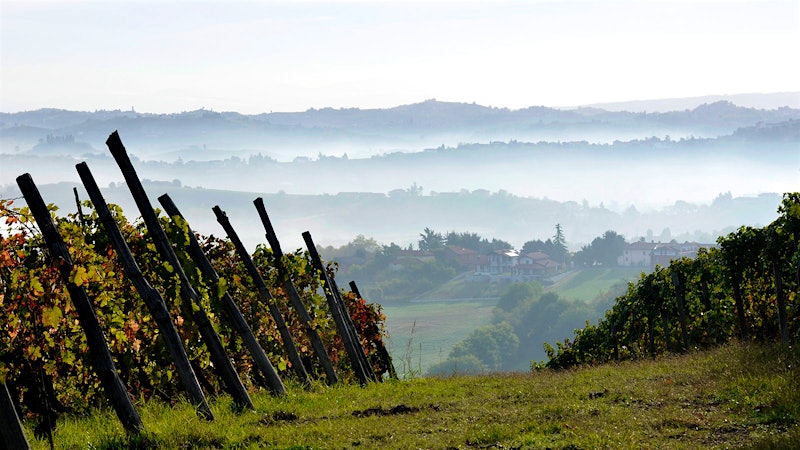
Firstly, Catena is sourcing the fruit from its own Uco Valley estate vineyards. This was paramount for the winery because they didn’t want to lose consumer trust. “If you start with low quality, you end up with low quality,” noted Laura Catena.
Secondly, it’s not about picking at regular times and stripping the alcohol. Instead, grapes are harvested early, typically in late January, to make verjus (unfermented, non-alcoholic and mildly acidic juice from unripe grapes, often used in place of vinegar in cooking preparations), providing vibrant natural acidity. The grapes are pressed and fermented at low temperatures to preserve the fresh aromatics, and the alcohol is removed by vacuum distillation (also helpful for preserving aromas and freshness). Later, botanical infusions with ingredients such as rose petals, clove and wormwood are added.
It’s worth noting that dealcoholized wines are not officially categorized as wine, so they may contain additives, including botanicals. These additions proved paramount during their research. “The botanicals mimic the bitterness of alcohol,” explained McDermott Catena. “And the botanicals add the aromas that are often stripped from removing the alcohol.”
The final blends are then carbonated. In addition to Rosæ and Brunette, another infusion called Blonde is similar to Brunette, while two low-alcohol Chardonnay wines that use a small portion of finished wine, along with the verjus-must combo, round out the portfolio.
The Rosæ, infused with rose petals, had a lovely, elegant floral quality, with peach and apricot aromas and flavors. The Brunette, thanks to its infusion of cinnamon, penny royal, chamomile and artemisia, showed honey and herb tones and was slightly reminiscent of sarsaparilla.
McDermott Catena said people should not expect an apples-to-apples swap with these products, however. The Rosæ can easily be enjoyed on its own, as it drinks similarly to a typical brut rosé. Meanwhile, the Brunette is intended to be more of an aperitif-vermouth style sparkling beverage, perhaps garnished with orange or lime.
The low-alc wines (not yet available in the U.S): Uco Stones and Uco Mineral do not use botanicals and show a more typical winelike character, such as quince, spiced pear and citrus, with minerality underneath. Overall, the lineup was rather fun to drink. McDermott Catena said they expect the products to capture existing wine drinkers more than those who are always seeking non-alcoholic options. “These are more for wine drinkers who want to moderate, but the principle was to make something delicious; otherwise, why not just drink Coke or sparkling water?”
Senior editor Aaron Romano joined Wine Spectator in 2012.