

Why do I generally avoid rosé? Because I love wine.
That statement may ring true for many of you (rosé sales in the U.S. have slumped), but is blasphemy to others.
I don’t dislike an entire category of wine. I just don’t like what it’s become in the 21st century. Some years ago, when I was living in Southern France, I got bored with the sameness of rosé made in the light, breezy, Provençal style that boomed in popularity, attracting drinkers with its beautiful, ultra-pale pink color.
So, before we start talking again this spring about the thirst-slaking rosés of summer and the latest celebrity pink wines, let me say that I think wine should be more than refreshment.
I want wine of any color to hold up to a meal with some mouth-filling savoriness, no matter what season it is. To bite back a bit. And ideally, I want wine to express some local character. I want some there there.
So I was cheered earlier this year when I received an invitation with the cheeky title “Rosé Rebellion on the French Riviera?” It was for a tasting and lunch organized by the three-year-old Rosés de Terroirs association.
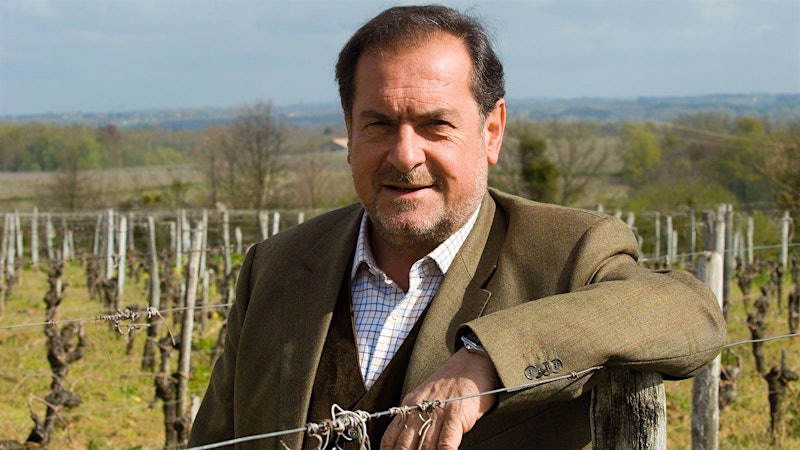
“My view is that terroir rosés are real wines first and foremost,” wrote association president Philippe Guigal in the event program. “Through their tastes and colors, they tell stories of places and of winemakers that are often unique.”
What Other Styles of Rosé Are Out There?
If you seek out gastronomic rosés, you can find fine examples from Provence’s standout wineries, in the Mourvèdre-based wines of the Bandol appellation and in the Southern Rhône’s now-out-of-style deeply colored Tavel bottlings. Beyond France, other examples include oft-overlooked Italian Cerasuolo d’Abruzzo and Spanish rosados made from Tempranillo.
Guigal has a stake in darker, fleshier rosé. He runs his family’s famous Northern Rhône domaine, E. Guigal, which bought Tavel’s historic Château d’Aquéria in 2022. And Tavel, France’s oldest rosé appellation, has been nearly forgotten.
Rosés de Terroirs was launched in Tavel in 2021 as a way to get back to competing with the Provence style. The association now counts about 50 wine producers across Europe, and Guigal has become an eager and vocal leader.
“This is a new step for the rosé market,” Jérémy Arnaud, development manager of the association, told me. Arnaud knows some things about rosé. From about 2000 to 2006, he worked for the regional wine council, Vins de Provence, to promote its style of light, clean and dry rosé.
“My job was to show the potential of these trendy rosés,” he said. “Now my challenge is to diversify the offering with wines that have more character, more intensity and are richer in color and taste.”
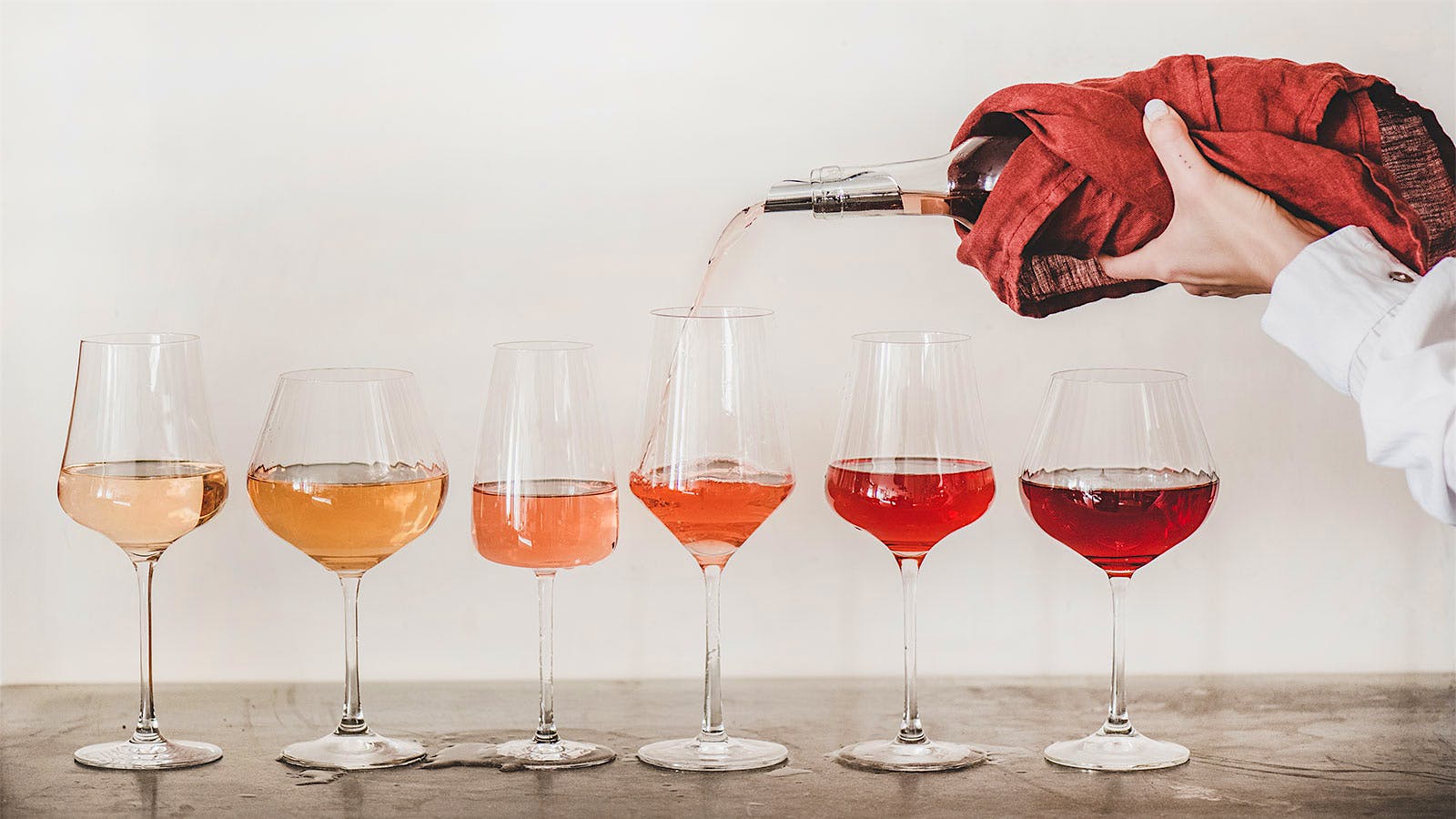
Rosé styles are all about extraction and technique. In the modern Provence style, red grapes are harvested early and typically pressed quickly to minimize contact between the juice and the skins, which contribute color. Tavel can blend from among nine grape varieties; many are the same as those in Provence rosé, including Grenache, Syrah, Mourvédre, Cinsault and Carignan. But Tavel requires that the grapes undergo a cold soak of at least 12 hours—bringing more complexity and structure to the resulting wine.
To raise rosé consciousness, Rosés de Terroirs organizes monthly tastings that bring together chefs, wine industry professionals and writers. So far, they have only been held in Europe, though Arnaud is hoping to bring them to the U.S. this fall. The format goes like this: dozens of association wines are poured at a pre-lunch open tasting. Then for lunch, the hosting chef and sommelier choose wines to go with a tasting menu.
A tasting at Les Agitateurs restaurant in Nice brought together 26 wines to sample, mostly small-production bottlings from Tavel, Bandol, Provence and some lesser-known appellations in Southern France, along with rosés from Bordeaux, the Loire Valley, Italy’s Bardolino and the Greek island Syros.
One of the more interesting surprises of the day was suggested by the burly, bearded, acclaimed chef Nicolas Durif of L’Hysope in western France, near La Rochelle.
It was the 2015 vintage of Champagne producer Jacques Defrance’s still Rosé des Riceys, a tiny-production, brick-colored wine made from Pinot Noir that offered dark fruit, apricot and spice flavors.
“I am a fan of red rosé—not white rosé,” quipped Durif, who likes to age rosé at least five years for the vermouth-like spicy notes that emerge with time. “We serve the light rosés to the clients who like water.”
Rosés de Terroirs has begun collecting members’ rosés to create a common aging cellar in Tavel, said Arnaud. Interest in such bottles, he conceded, “is a niche.”
Not Just an Aperitif: A Rosé for Every Course
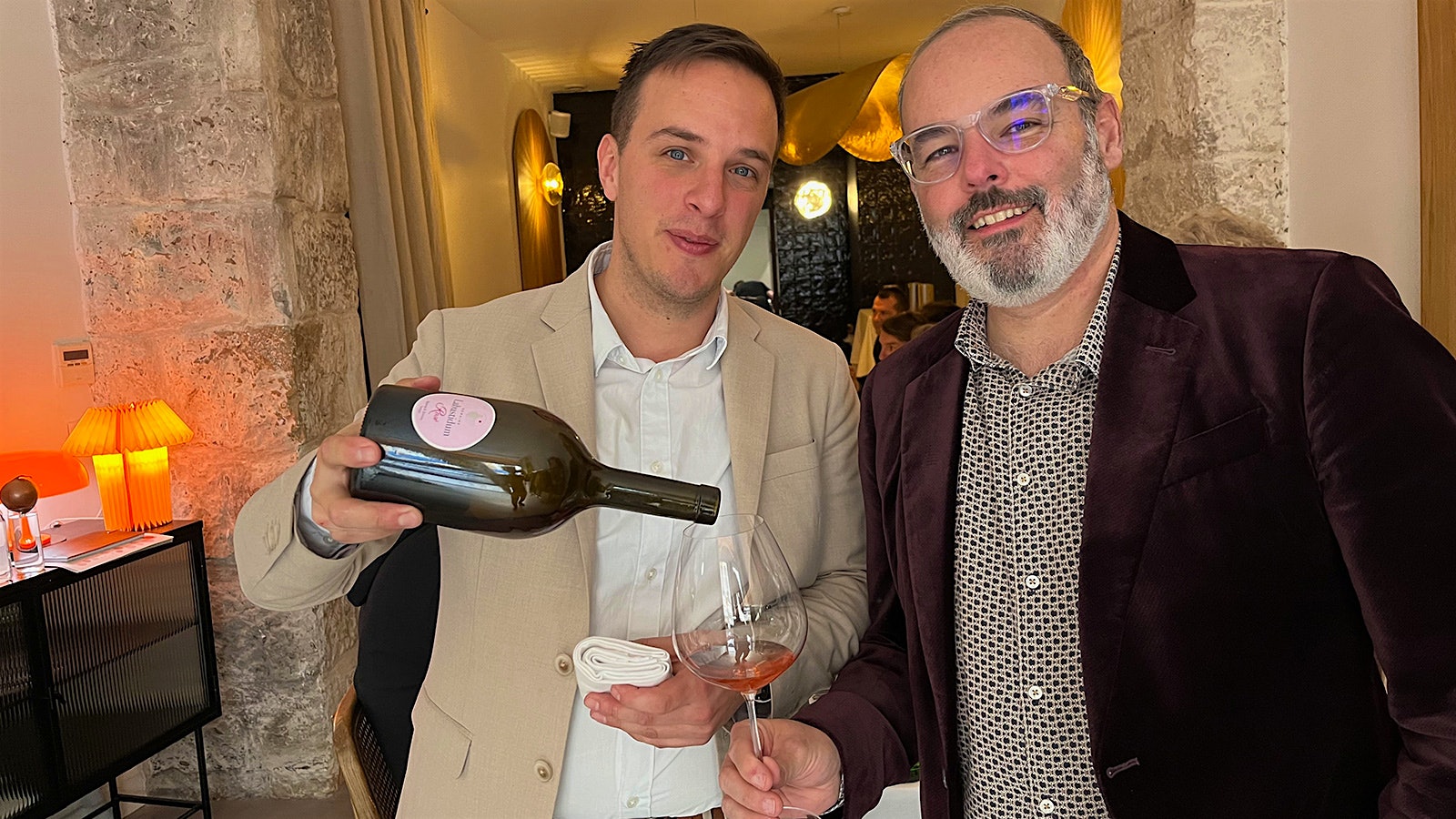
For lunch, Les Agitateurs sommelier Marc Klein and rising star chef Samuel Victori put together some delicious pairings that demonstrated the diversity and versatility of rosé. From northern Italy’s Veneto region, the delicate, saline 2021 Le Fraghe Chiaretto di Bardolino Traccia di Rosa, made from Corvina and Rondinella grapes, was paired with a starter of raw scallops wrapped in nasturtium leaves. An earthy 2022 rosé from Domaine Labastidum in Southwest France’s Fronton appellation, where the blends must include the local variety Negrette, accompanied a dish of langoustines served in Earl Gray consommé.
The rich, slightly bitter Château de la Selve L’Audacieuse 2021—a biodynamic blend of Syrah, Grenache and Viognier from France’s obscure Coteaux de l’Ardèche, west of the Rhône—was served with hare ravioli in a dense quince and rose petal sauce. And a juicy Malbec from the Loire, Xavier Frissant Touraine Côt des Pierres Rosé 2022, came with dessert.
“I used to think of rosé as something you drank easy on the terrace,” said Klein. “Now I look for rosés that have the acidity of a white with some of the flavors, tannins and feel you look for in a red.”
The event’s wide, wild range of wines, paired with some daringly innovative dishes, got me excited about rosé for the first time in a long while. This “movement” may not turn around the mainstream pink tide but, by showing off differences among the wines, it can help keep rosé interesting for the rest of us.
As Arnaud put it, “Now we don’t talk about le rosé but les rosés.”
If you enjoyed this, also read “The Rosé Reset Has Arrived” by senior editor Kristen Bieler.