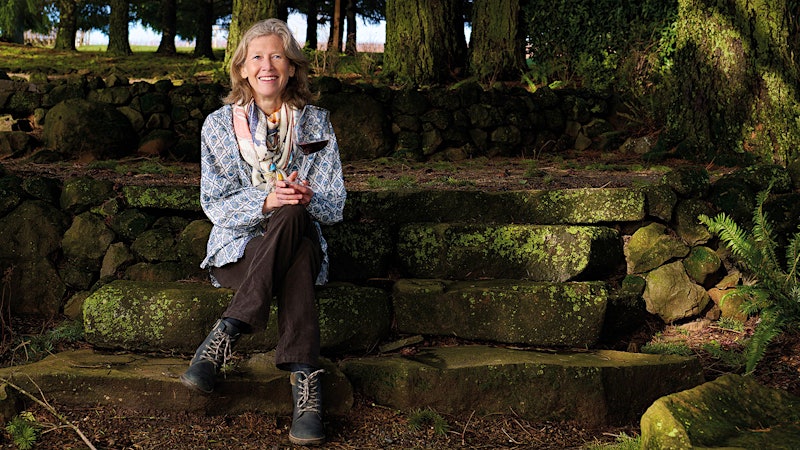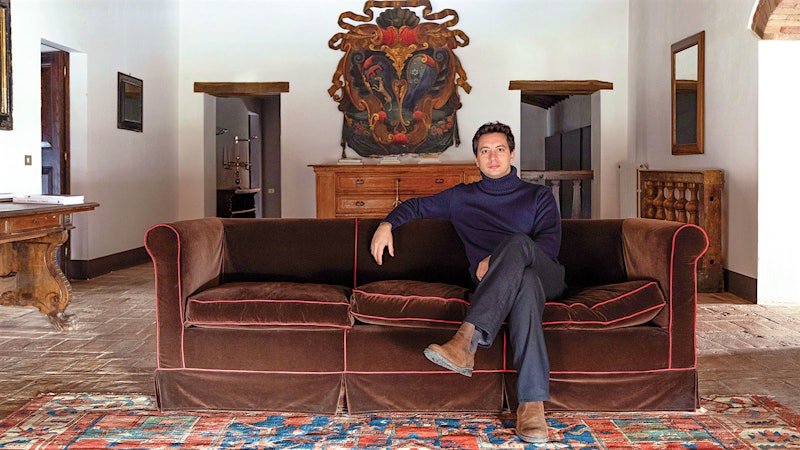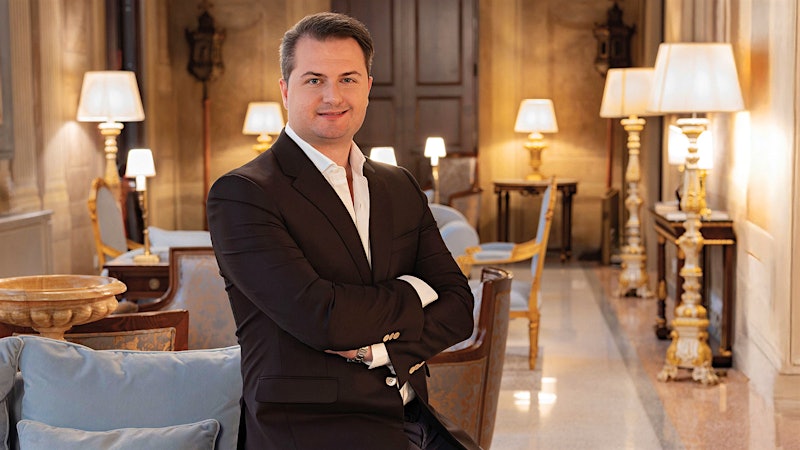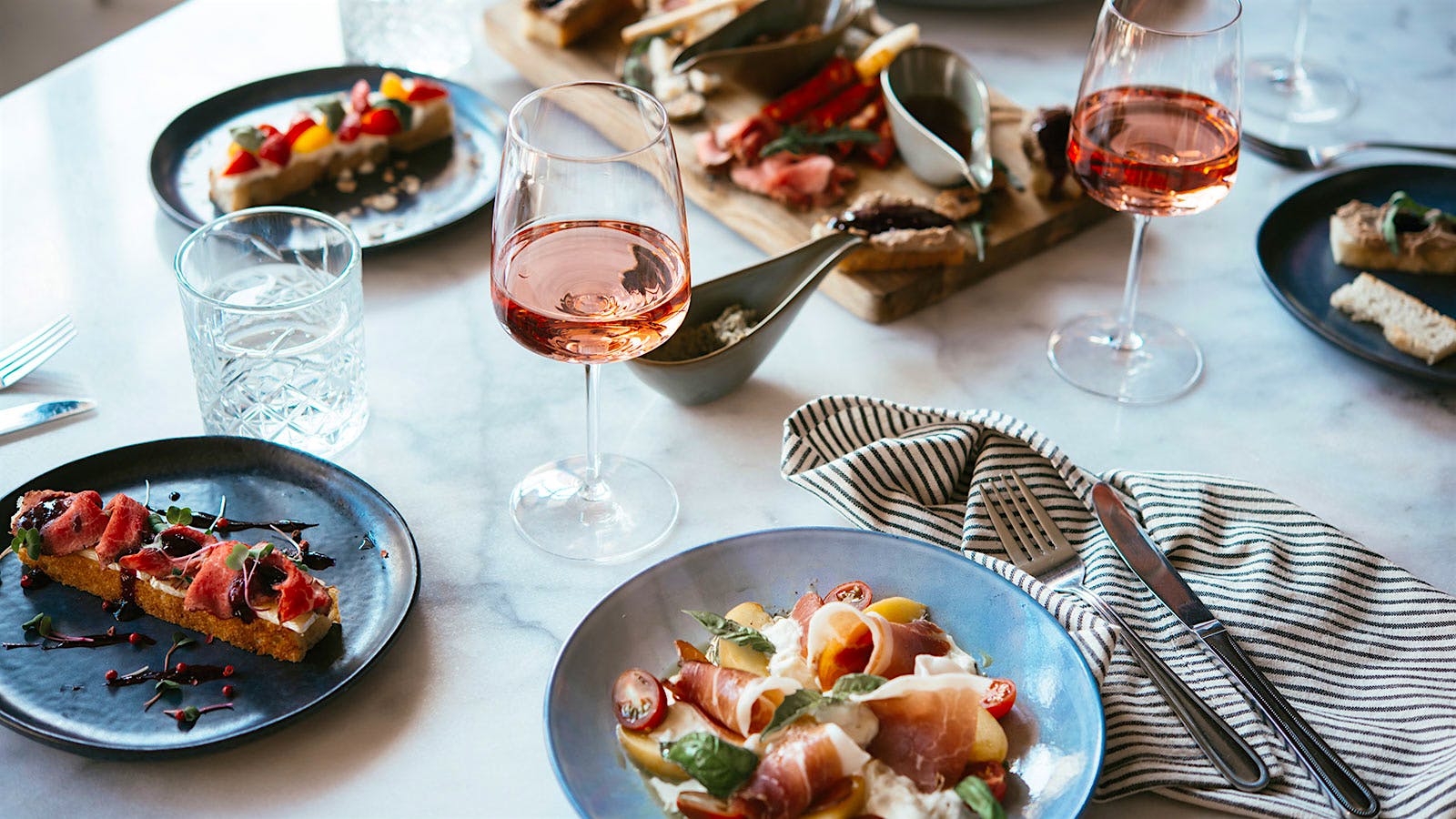


“A rosé a day keeps the doctor away.” That’s the saying, right? Rosés can be found in such a diversity of shades, flavor profiles, varieties and price points these days, it’s hard to decide which one to try next. To get a full spectrum of selections, Wine Spectator reached out to top Restaurant Award–winning sommeliers for their favorite rosés—all under $30. Some are made with indigenous varieties, while others are fresh takes on classic red grapes, including island wines and bottles from landmark regions. Check out the pros’ top budget picks!
13 Top Rosés Found Under $30, According to Sommeliers
- Alto Adige Lagrein Rosé
- Basque Txakoli Rosé
- Californian Rosé
- Chinon Cabernet Franc Rosé
- Corsican Rosé
- Côtes du Rhône Rosé
- German Pinot Noir Rosé
- Italian Chiaretto Rosé
- New Zealand Rosé
- Oregon Rosé
- Sicilian Etna Rosato
- Spanish Garnacha Rosé
- Virginia Rosé
Alto Adige Lagrein Rosé
“One of my favorite off-the-beaten-path rosés is from Alto Adige, made from Lagrein, an indigenous grape. Alois Lageder is a great producer and their Lagrein rosé is crisp and clean, with hints of ripe strawberry and bright red currant. You can drink it well chilled if you’re looking for an aperitif-style rosé, or treat it a bit more like a white at around 42° F to enjoy more of the grape’s fleshiness. It pairs easily with summer salads, charcuterie and light starters—it’s such a versatile wine.”—Michael Kowalski, sommelier manager at Marbled & Fin, Savannah, Georgia
Basque Txakoli Rosé
“I have not seen many people veering away from the traditional rosés of Provence, although the Txakoli rosés of the Basque region do quite well. One of the most popular that I can think of is Amesguren’s Ameztoi Rubentis. It is light, with lean notes of red fruit and citrus. It has a great minerality and a light spritz.”—Pamela Walton, group beverage director for Kuma Hospitality Group, including Best of Award of Excellence winner l’Abeille, New York City
Californian Rosé
“In California, many winemakers are not afraid to experiment with a wide variety of styles, grapes and terroirs. Since many producers aren’t famous for their rosés, these wines often end up being the most wallet-friendly bottles. From California, try the Bandol-inspired Bedrock Wine Co. Ode to Lulu, which is built around old-vine Mourvèdre; Arnot-Roberts’ rosé made from Touriga Nacional; or A Tribute to Grace’s Santa Barbara Highlands Vineyard Grenache-based rosé.”—Michael O’Callaghan, sommelier at Best of Award of Excellence winner Huso, New York City
“Recently, I’ve gravitated toward younger winemakers in California’s Sierra Foothills, a high-elevation region along the Sierra Nevada that reminds me of Alpine regions in France. Ellsworth Wines’ rosé of Cabernet Franc is grown on decomposed granite and clay and aged in neutral French oak for 12 months. This terroir and winemaking style produce a particularly striking pink wine that is textural and gastronomic. For a more modern style, try Frenchtown Farms Cecelia rosé of Syrah with a touch of macerated Sauvignon Blanc for wild aromatics and even more structure.”—Mackenzie Hoffman, owner and operator of Stir Crazy, Los Angeles
Chinon Cabernet Franc Rosé
“Rosé made from Cabernet Franc can be one of the most challenging wine styles to get right. Bernard Baudry and Charles Joguet are two Chinon producers—both imported by Kermit Lynch—that routinely deliver fresh, herbaceous and finely tuned examples at around $25 retail.”—Jaime Pinedo, corporate wine and beverage director for Bacchus Hospitality Management, including Grand Award winners Spruce, the Village Pub and 2025 winner Selby’s, and Best of Award of Excellence winner Augustine
Corsican Rosé
“Corsica is known for rosé. It’s such a diverse, dynamic place for wine, but rosé is their thing. I find that even at value price points, Corsican rosés have such a beautiful lift and charm. They include all these indigenous varieties like Sciacarello and Nielluccio. They have a sense of place that is distinct, but a style that’s similar to Provence rosés —light, beautiful, salty and very delicately pigmented.”—Emily Nevin-Giannini, beverage director for Barcelona Wine Bar (24 Best of Award of Excellence–winning locations)
“The Domaine Leccia Fronda di Leccia from Corsica is a rosé I reach for when I want something light but still genuinely expressive, from a certified organic and biodynamic estate. Made from Nielluccio, it shows both lift and gentle but evident structure. The color and nose are delicate, but the palate carries a subtle savory grip and a distinctive, almost chalky texture that can stand up to even richer, more complex cuisine. It feels a bit like Tuscany went to the seaside and picked up some fresh wild herbs on the way.”—Ola Rybka, sommelier at Award of Excellence winner Tiya, San Francisco
Côtes du Rhône Rosé
“There’s probably never been a better time to be a rosé fan than right now. Gone are the days when only we sommeliers drank it, because first, we really loved it, and second, we couldn’t sell it because all pink wine was associated with extra-sweet white Zinfandel. My current at-home budget rosé is E. Guigal Côtes du Rhône rosé. They have been producing rosé since the 1940s, and the grapes they use here are specifically grown for this wine. The 20-year-old vines produce a wine bursting with red fruit and balance, and it can be found anywhere for $20 or under.”—Anthony Taylor, beverage director for Best of Award of Excellence winner Cru Uncorked, Moreland Hills, Ohio
German Pinot Noir Rosé
“I’ve always found an immense amount of quality in Spätburgunder rosé from Germany. They often have the laser-beam focus and acidity you find in other German wines, but the fruit and texture in rosé help them go down easily and pair with a wide variety of foods. Some favorite examples are Koehler-Ruprecht and Von Winning, both from the Pfalz.”—Patrick Jobst, director of beverage for Method Co., Detroit
Italian Chiaretto
“I absolutely love finding rosés from producers better known for their expressive reds. Think Martin Woods, Bodegas Muga or Chateau Musar. A new favorite in the same category is Zeni’s ‘Bardolino Chiaretto’ rosé from Veneto. Better known for their excellent Amarone della Valpolicella Classico reds, Zeni solidly overdelivers a juicy, smooth, rich rosé for under $20 a bottle on the shelf. The wine is extremely food-friendly, with notes of blood orange, rose and raspberry bound together with a weightiness you wouldn’t expect at that price.”—Sam Scarlett, wine director for the Wine Kitchen, Leesburg, Virginia, and Frederick, Maryland
New Zealand Rosé
“Like in most categories, there’s major value to be found in New Zealand, specifically in Hawke’s Bay. Since it’s a maritime region, there is a hint of that salty, savory component that makes the wines both thirst-quenching and craveable. The Te Mata rosé of Gamay is a favorite of mine.”—Patrick Jobst
Oregon Rosé
“Master of Wine Bree Stock and her husband Chad have created one of the most exciting projects to come out of Oregon in a long time. In an area hyper-fixated on Pinot Noir, Limited Addition finds vineyards planted with experimental grapes for the region. This rosé is a blend of Dolcetto and Gamay, combining fresh herbs with delicious red fruits. It’s a wine to pair with food from the grill.”—Michael Myers, beverage director for Best of Award of Excellence winner Counter-, Charlotte, North Carolina
“Illahe makes one of my perennial favorite rosés for its spicy lightness, fresh strawberry and white peach flavors, plus a bright floral profile. It’s an easy recommendation both for someone who enjoys the classic structure of Provence and someone looking off the beaten path. A delicious Tempranillo rosé from Willamette that satisfies even the rosé purists? It’s a surefire win at any gathering.”—Sam Scarlett
Sicilian Etna Rosato
“We are particularly fond of lean and vibrant styles of rosé, particularly rosatos produced on Mount Etna. Graci produces one of our perennial favorites, a blend of vineyards with multiple exposures. This wine is always a pale salmon hue with aromas of blood orange zest, dried herbs and a distinct salty character.”—Jason Alexander, wine director for Award of Excellence winner Che Fico and Che Fico Pizzeria, San Francisco, and Best of Award of Excellence winner Che Fico Parco Menlo, Menlo Park, California
Spanish Garnacha Rosé
“Bodegas Muga Rosado is a rosé from Spain’s Rioja, but this family-run bodega actually has its roots in the Basque Region, a gastronomic hub of the Old World. Garnacha, a red grape native to the region, provides solid body and structure, while the meticulous and detailed winemaking lends the bottle the verve and lift of a crisp white wine. It is extremely versatile and can be paired with a range of dishes like freshly picked white asparagus, roasted game with Mediterranean herbs or rich seafood like turbot.”—Thomas Kakalios, beverage director for Eat Well Hospitality Group, including Award of Excellence winners Andros Taverna and Asador Bastian, and Mano a Mano, Chicago
Tuscan Sangiovese Rosé
“When it comes to budget-friendly rosés under $30, Tuscany stands out as an incredible source for high-quality wines. The region’s Sangiovese-based rosés often offer the perfect balance of fresh fruit flavors, alongside an almost balsamic quality that adds complexity. One of my favorite examples is Monteraponi Rosato Colli della Toscana Centrale, which is usually priced around $25. The producers, Michele Braganti and Alessandra Deiana, are well-loved figures in Tuscan wine. If you can find it, it will be one of the most memorable and satisfying budget-friendly rosés you’ve ever tried.”—Danny Mastropierro, general manager and wine director of Award of Excellence winner Bar Sprezzatura, San Francisco
Virginia Rosé
“For over 20 years, the Rose family has quietly produced some of Virginia’s best wine. They focus on both traditional and hybrid grape varieties. The Rosemont of Virginia rosé is 100% Chambourcin from southern Virginia, right on the North Carolina border. It’s highly aromatic, with juicy strawberry, raspberry and watermelon notes. Acidity is the name of the game here, with a super dry finish that makes this one of my top rosés, period—not just one of my top local rosés. Pair it with tomatoes (a tomato sandwich would be fantastic with this), cucumbers, any kind of salad or fresh seafood … or just a patio.”—Michael Myers
Keep up with the latest restaurant news from our award winners: Subscribe to our free Private Guide to Dining newsletter!