

It’s that time again. I’ve begun my annual spring jaunt through Bordeaux to explore the most recent vintage—in this case, 2025. For the next two months, I’ll be offering you insights into the new vintage as well as the latest news at some of the world’s biggest names in wine.
For those of you here who are new to my Bordeaux coverage, here’s a quick explanation of how I work: I have been covering Bordeaux since the 2008 vintage. Per Wine Spectator’s policy, all bottled wines from the region are tasted blind in our New York offices; I do not taste wines for official review while visiting châteaus or with producers directly. Formal reviews are published as the wines are tasted throughout the year, culminating with an annual report on the newest bottled vintage that appears in one of our spring issues. (The 2023 vintage is the current release, profiled in our May 31, 2026, issue, currently on newsstands.)
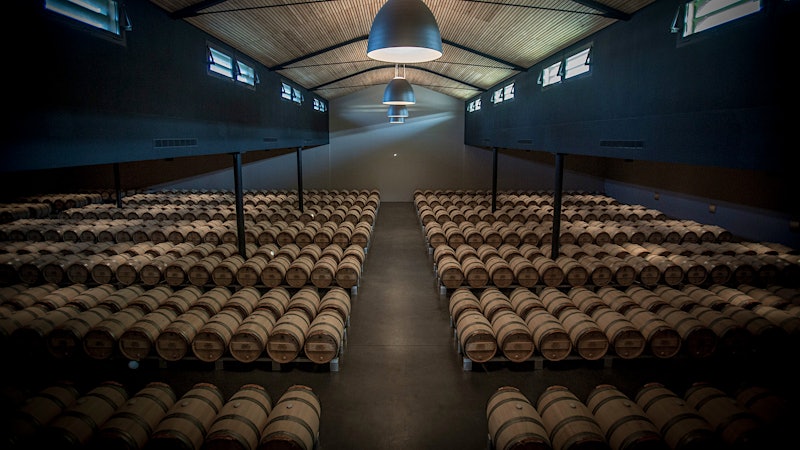
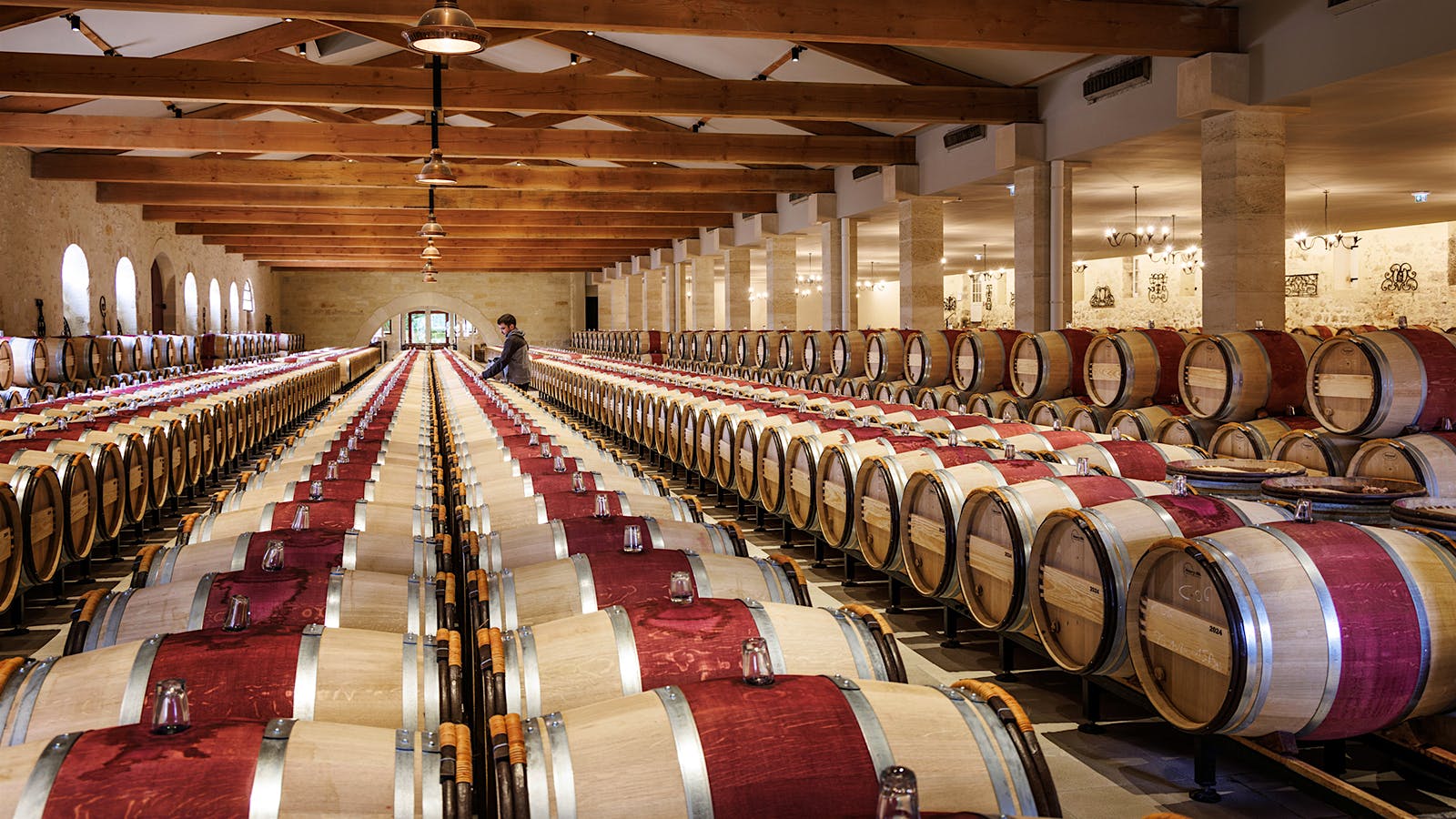
Spring also affords an ideal time to visit and taste in the region, as Bordeaux opens its doors for its annual en primeur campaign. The 2025s are still in barrel, and at this early stage the wines are fickle, changing by the day, even in response to the weather (bright, high-air-pressure days are better than sullenly gray, low-pressure, rainy days). Because of that (and because I cannot taste the wines blind at the châteaus), there are no formal reviews of the wines.
Instead, I spend two weeks visiting with producers and spending time in the tasting rooms, cellars and vineyards with the winemakers, estate managers, owners and staff that are the heart of Bordeaux. Alongside the newest wines, I typically taste older vintages for greater context as I gain a sense of the recent vintage’s quality level and overall style.
The 2025s will be formally released to the trade—and thus become available to U.S. consumers as futures—in the coming weeks. As I have for several years running, I reiterate my stance on purchasing at this time: En primeur is not for consumers unless you need to ensure a case of wine to commemorate an important birthday or anniversary from 2025. Bordeaux’s wines no longer gain measurably in value after en primeur, and there is plenty of good wine to go around. The days of consumers making a profit off Bordeaux are long over. Besides, wine is meant to be drunk and enjoyed with friends and family, not locked away as an investment.
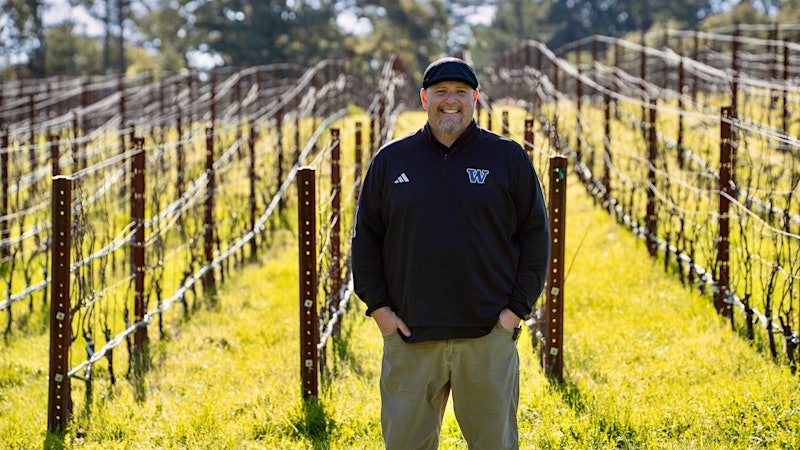
I always begin my Bordeaux visits at the northern end of the Médoc, working my way down through the major Left Bank appellations (or AOCs) of St.-Estèphe, Pauillac, St.-Julien, Margaux and Pessac, before heading over to the Right Bank to visit St.-Emilion and Pomerol. Along the way, I’ll no doubt hear similar accounts of the vintage from many producers. But I will also hear subtle distinctions and differences. All of these tastings—from neighbor-to-neighbor within an AOC to the different AOCs and two different banks—provide varying data points that build the larger story of the vintage. Bordeaux is an immense region, with a great deal of variability.
In my diary entries here, I’ll be dropping clues and hints as to where there are wines of particular merit, which estates might be flying under-the-radar, where the vintage sits stylistically compared to other vintages and more. As the châteaus begin to formally announce prices, we’ll follow up with tracking and analysis of the more prominent releases.
If you want to be in on the scoop quickly, you can sign up for our Collecting email newsletter here. And at the end of my trip, I’ll be happy to take questions for a Q&A … so stay tuned.
Read more of James Molesworth’s Winery Intels, hear his interviews with leading winemakers on Wine Spectator’s Straight Talk podcast, and follow him on Instagram at @jmolesworth1.