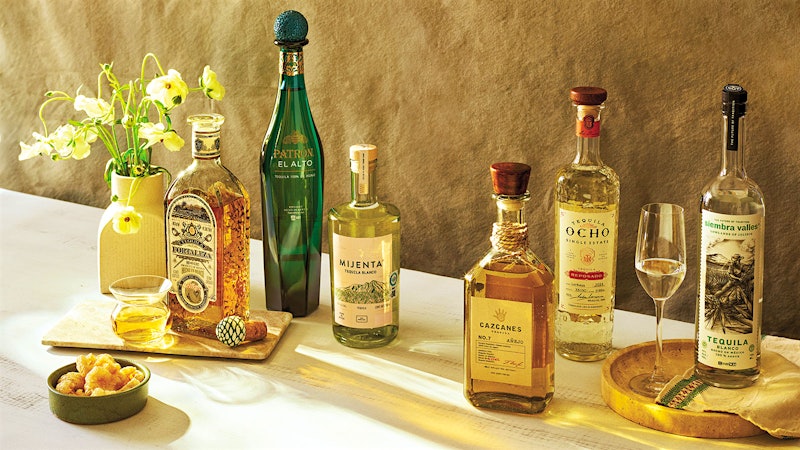


So many tequila drinks are tailor-made as summer fresheners—Margaritas, Tequila Sunrises, Palomas—that we tend to forsake agave-based spirits when the days get short. And that’s a shame. The burgeoning choices in aged tequila are such that our friends from south of the border can easily partner up in classic cocktails that traditionally call for other liquors. Añejo tequilas (aged a year or more) come with a backbone that stands up to a variety of weighty additives.
We test mixed some barroom mainstays using not only tequila but also mezcal, its smoky-tasting agave cousin, and found they are spirits for all seasons.

Old-Fashioned
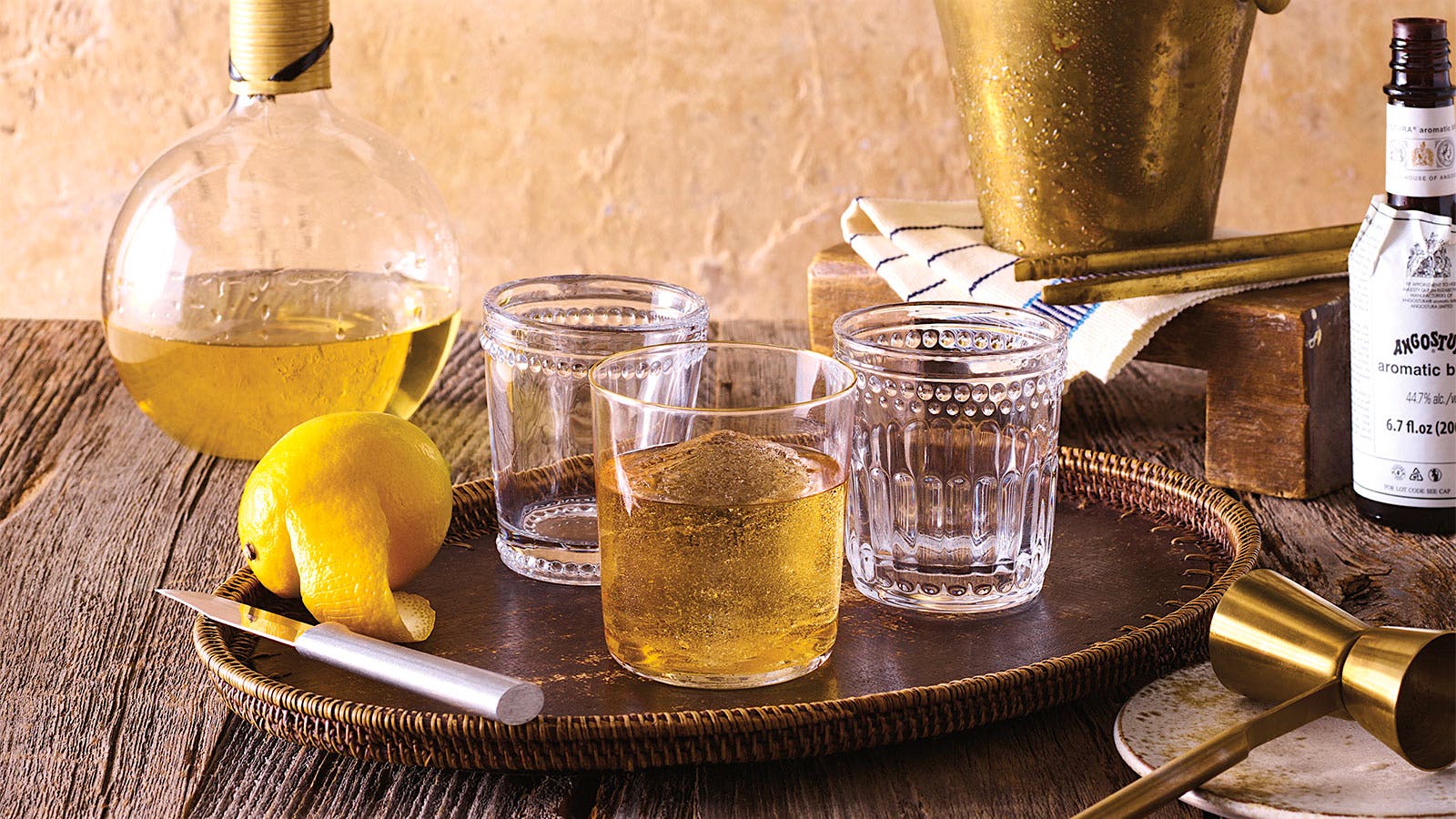
What’s more appropriate than refashioning the Old-Fashioned with añejo tequila? The Spanish word for “old” is already in its name. You start with the seminal form of the cocktail—a mix of spirits, bitters and sugar—then swap out the liquor portion (typically rye whiskey or Bourbon) with a tequila that will continue the color scheme as well as provide wood notes and its own spicy and herbal charms.
Despite its name, this once modestly adorned drink has morphed to the point that some look like fruit cocktails with a cherry on top. Avoid that. Provided you don’t make it too sweet, the tequila Old-Fashioned is only a few steps away from experiencing the spirit’s charms neat. Replace the traditional sugar cube with agave syrup, which will illuminate notes such as caramel and vanilla. The bitters in the drink show off toastier, more savory characteristics and resist cloying. To that end, keep the garnishes citric and leave the maraschino cherries for ice cream sundaes.
Tequila Old-Fashioned
- 2 ounces Casa Noble añejo
- 1 teaspoon agave syrup (or simple syrup)
- 2 drops Angostura bitters
- 1 lemon twist (peel)
- 1 orange twist (peel)
In a mixing glass, muddle the bitters and the agave syrup. Add the tequila and stir. Strain over ice (one large cube is a nice touch if you have it) in an Old-Fashioned glass. Garnish with the lemon and orange peels.
We chose Casa Noble for its elegance. Also consider Cincoro Añejo and Tears of Llorona Extra Añejo.
Manhattan
The Manhattan, with its partnership of rye whiskey and vermouth, was the first step in blending spirit with aperitif. It spawned a congregation of followers that use a range of different liquors with aromatic modifiers—the Martini, in particular. Invented in New York City, the Manhattan shares that borough’s urban energy and urbane composure. Using tequila in place of the whiskey takes it for a trip to the countryside. Tequila is spicy like rye, but a bit more rustic with herbs and black pepper. The combination with vermouth is sweeter, closer to a Bourbon Manhattan. The vermouth warms up a bit and displays a mellower side.
You’ll see Manhattan recipes with additives such as curaçao, gum syrup and maraschino cherries, but best to stick to the basics, lest the drink become too sticky. Here, we cite the classic mixing method—stirring—but such old hands at the bar as Nick Charles from the The Thin Man movies are given to shaking. A more casual preparation is to pour it over ice in a rocks glass.
Tequila Manhattan
- 2 ounces 1800 Milenio Extra Añejo Tequila
- 1 ounce sweet (red) vermouth
- 2 drops Angostura bitters
- 1 lemon twist (peel)
Place the tequila, vermouth and bitters in a cocktail shaker and stir or shake. Strain into cocktail glass. Garnish with the lemon.
The 1800 has a Cognac cask finish. Alternates Don Julio Rosado spends time in Port wood, Espolon Añejo in Bourbon barrels.

Irish Coffee
The Irish have the bragging rights, but no culture has the last word on adding java to spirits to stay warm and keep the cobwebs away. Perhaps Mexico, with its own extensive coffee crops, even has a better claim than an otherwise tea-drinking nation. At any rate, tequila and coffee share an earthiness that is warming and savory.
It works so well that a slew of complex variants (both hot and cold) have been created, adding things such as chocolate, ice cream, vanilla, nutmeg, star anise, clove and orange peel. The formula that follows simply substitutes tequila for Irish whiskey in the traditional recipe. Others add Kahlúa, Mexico’s own coffee liqueur, which is geographically appropriate; if you do, simply lower the tequila portion to an ounce and add a half ounce of the liqueur.
Mexican Coffee
- 1 ½ ounces Cazadores Añejo
- 4 ounces hot coffee
- 1 teaspoon brown sugar
- Heavy cream
- Cinnamon
Whip the cream into a thick froth. Mix the coffee, tequila and sugar in a warmed 6-ounce coffee glass. Top with a generous dollop of the whipped cream. Dust with cinnamon powder.
The Cazadores brings vanilla and nut notes. Alternates Tequila Ocho and Gran Coramino add extra coffee notes.
Negroni
Recently the rage, this cocktail was for a long time fairly obscure in America. Perhaps that is because it hails from Florence, Italy, or maybe because it was invented just before Prohibition and calls for a triad of alcoholic ingredients, one of them being a brand-name product that would need to be imported. It includes equal proportions gin, sweet vermouth and Campari, possibly the best-known liqueur of the amaro (bitter) type. A descendant of the Americano (equal parts sweet vermouth and Campari), the Negroni has spawned a number of variants that simply replace the gin with another spirit.
Those that work the best are the ones with enough backbone to stand up to the pungent aperitifs, rather than just upping the octane; the Boulevardier (with whisky) does that well. Now we have a tequila mix, sometimes called a Tegroni. Using añejo balances the bitter aperitifs with its sweet agave notes and adds brightness and savory flavors.
Tegroni
- 1 ¼ ounces Avión Reserva 44
- 1 ¼ ounces Campari
- 1 ¼ ounces sweet (red) vermouth
- 1 orange twist
Pour the liquid ingredients over ice in an Old-Fashioned glass. Stir. Garnish with the orange twist.
The Avión contributes agave, vanilla and fruit. For smoothness, also try El Tesoro Añejo and Teremana Añejo.

Moscow Mule
The story goes that back in the 1940s, before vodka was ubiquitous, a Smirnoff executive was having drinks at a Hollywood bar and wondering how he would make a market for the Russian spirit. The proprietor supposedly also had a surfeit of ginger beer. They mixed them with lime juice in copper cups, which an anonymous party had in abundance. They dubbed it the Moscow Mule, referencing Buck drinks, which add liquor to ginger soda for an equine kick.
Mezcal in a Mule brings the spirit portion closer to the forefront with its smoke and earthiness. Many have riffed on a mezcal/ginger summit meeting, incorporating other fruit juices to the basic recipe; renowned bartender and author Jim Meehan tricks his out with passion fruit. The part of the original formula that should be strictly adhered to is to use ginger beer—not ginger ale.
Mexican Mule
- 1 ½ ounces Ilegal Añejo
- ½ cup ginger beer
- ½ ounce lime juice
- Lime wedge
Pour the mezcal over ice in a chilled copper mug lined with stainless steel or a Highball glass. Add the lime juice and ginger beer. Stir moderately. Garnish with the lime wedge.
Ilegal complements the spicy ginger beer with cocoa and leather. Sombra and Leyendas Tobalá mezcals aren’t as smoky, but offer mint and citrus.
Gin Fizz
The Fizz is an entire category of drinks that mimic Sour drinks (spirits, citrus juice and sweetener, shaken with ice), then add carbonated water, which explains the name. The Gin Fizz set the standard more than a century ago, when it was first conjured with lemon. Lime and orange are now sometimes substituted.
A Fizz is almost identical in makeup to a Tom Collins, except a Collins is traditionally stirred not shaken, the seltzer added gently to avoid fizzing, and served in the taller glass named for it. The last part we recommend for Fizzes, as they seem to keep the drink colder longer. The Silver Fizz, on which this recipe is based, adds an egg white. Shake it well and it creates a sort of meringue. With the foam sitting atop the drink, you get a heady bouquet of the mezcal’s smoky charms.
Mezcal Fizz
- 2 ounces Del Maguey Vida mezcal
- ¾ ounce agave syrup
- 1 ounce lemon juice
- Egg white
- Seltzer water
- Rosemary sprig
Put the mezcal, agave syrup, lemon juice and egg white in a cocktail shaker and shake vigorously. Add ice and shake again. Strain over ice in a Tom Collins glass. Fill with seltzer water and garnish with the rosemary.
Del Maguey has citrus and adds mint. Casamigos Añejo is another choice for its fruit notes. To avoid smoke, opt for Zignum Añejo.