

Whenever I sit down with a wine professional, the conversation inevitably shifts to the state of the wine industry. It used to come at the end of a visit. Now, it’s the first thing we talk about.
And I get it. Things are ... weird. We’re facing economic uncertainty, tariffs, slowing sales, an oversupply of grapes and inventory, distributor consolidation, fewer retail shops, climate change and evolving attitudes about wine and health. In many ways, it doesn’t look good.
But here’s what I tell people: Wine isn’t going anywhere. We’re going to be alright.
That’s not to minimize the challenges. Some obstacles are familiar; others are entirely new. Wine is historically slow to react to market trends and supply issues. But while neither annual wildfire threats nor Canada declining to import American wines were on my bingo card, despite it all, wine remains deeply woven into our culture—and not in the old, “pinkies-up” kind of way.
How do I know? Turn on any screen, big or small. Comedy, drama, reality TV? Wine is present. Wine is no longer a symbol of snobbery, like Frasier Crane’s wine references. These days, it’s normalized. A Housewife walks into a restaurant and casually orders a German Riesling. Jennifer Aniston’s character on The Morning Show opens a bottle of Chimney Rock mid-monologue (effortlessly using a waiter’s corkscrew!). Wine is a go-to host gift on screen. Olivia Pope is my favorite fictional wine lover. Tyrion Lannister is my second.
It’s not just the screens. Going to a Pearl Jam concert has become a three-hour exercise of trying to identify what wine bottle Eddie Vedder is drinking onstage. Taylor Swift moved markets when she said what her favorite wines are. Chappell Roan sings about a “Red Wine Supernova.”
Cultural presence aside, there’s real momentum in the wine world. Sparkling and white wines are trending upward, and the broader movement toward freshness and elegance reflects today’s preference for food-friendly, juicy styles.
As a Gen Xer, no one tried to sell wine to me. That was part of the appeal—it felt aspirational as I invited myself into those rooms. But today’s wine world feels much more welcoming, as it should be. Celebrity brands, fun packaging, creative marketing all invite new drinkers to the table. Canned and boxed wines, along with ready-to-drink wine cocktails, are also opening the doors wider.
Six years ago, I started writing about the “better for you” wine category. Initially, I thought it was just marketing fluff. But the more I explored, the more I realized: If I expect the socks and cat litter I purchase to align with my values, why not my wine? The influx of wine brands that jump out to consumers from the shelf the way beauty and fashion do is a welcome change.
Younger generations give me hope. Wine wasn’t on my radar as a career growing up, especially as the daughter of Polish immigrants in the Cleveland suburbs. But today, it’s not far-fetched to dream of becoming a winemaker—even without family vineyard roots. There are now hundreds of wineries in Ohio (and wineries in every state). The up-and-coming winemakers grew up with supermarket sushi, kombucha and coconut water. Their palates are adventurous and open, which broadens the spectrum for wine styles.
Innovation is thriving too, especially in the no- and low-alcohol wine category. Research shows these wines are popular not just with the sober-curious but also with traditional wine lovers. We should continue to meet people where they are with great products, still made from grapes.
That said, the industry faces serious issues that need addressing. With love for the topic I’ve spent my career exploring, here are a few thoughts: The pandemic changed how we socialize—less dining out, fewer big celebrations. But wine has always been a social connector, especially over meals. We need to reinforce that narrative and ensure restaurant staff are trained and ready to recommend memorable pairings. The messaging around wine and health also needs attention. The elephants of abuse and hangovers will forever be in the room. But so is the fact that wine has been part of healthy lifestyles for thousands of years. Let’s reclaim that story with clarity and nuance.
Most importantly, we need to remember why we fell in love with wine in the first place. Years ago, a vintner pointed out to me that no one sits around waxing poetic about the potatoes that went into their martini. But wine? Wine sparks conversation. It represents place and time. It creates memories.
Let’s drink to that.
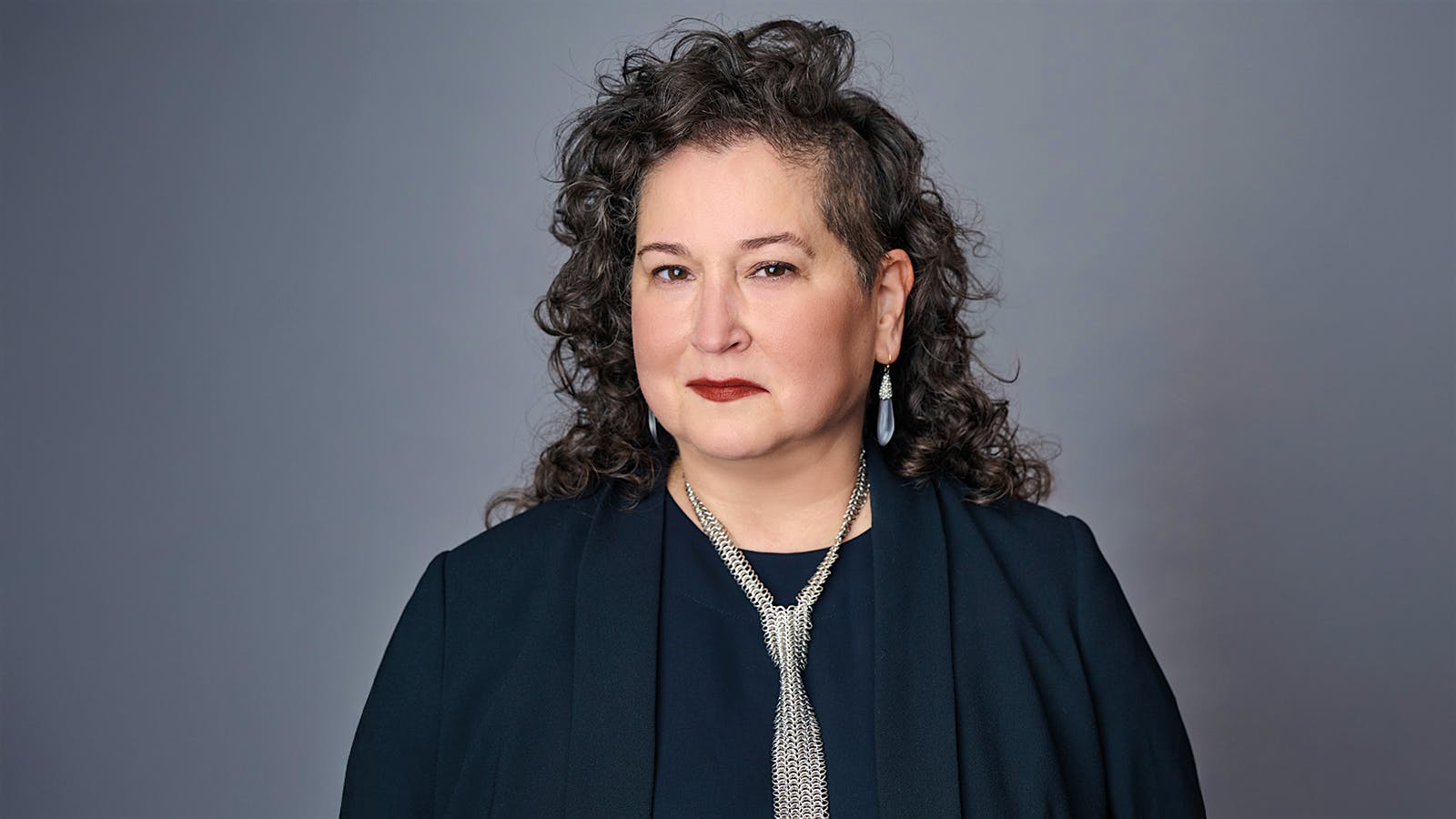
Senior editor MaryAnn Worobiec joined Wine Spectator in 1997.