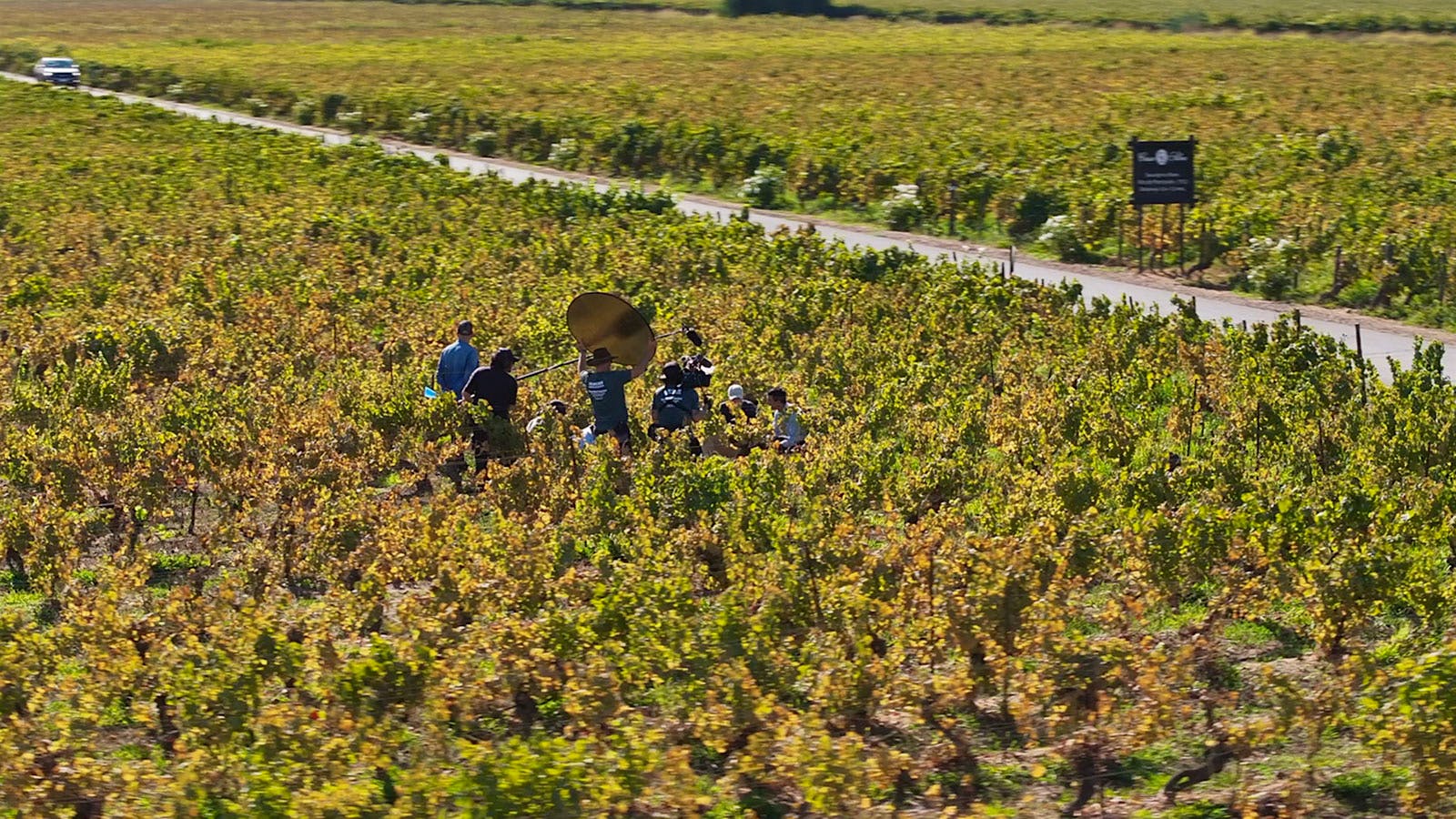


Sommelier-turned-filmmaker Jack Kauffman’s Uncorked Potential: The Wild Wines of Chile is now streaming on PBS.org following screenings on Connecticut Public Television and a “Staff Picks” award at the Around International Film Festival in Amsterdam. The documentary follows Kauffman through wineries, winemaker interviews and visits to wine-centric restaurants, offering a vivid snapshot of Chile’s diverse and evolving wine scene.
The project’s origins date back to 2017, when Kauffman produced the first Uncorked Potential, focused on New York’s Finger Lakes, with the goal of launching a docuseries exploring the world’s lesser-known winegrowing regions. Work as a sommelier and as a wine consultant for auction houses and private individuals took his attention for the better part of the next decade.
But a serendipitous invite from VIK winemaker Christián Vallejo, asking Kauffman to join the winery for the 2025 harvest, sparked the idea for a continuation of the series. Immediately after the VIK harvest, Kauffman and his team embarked on a two-week blitz taking in five wineries, three wine bars, two wine festivals and one pisco producer.
Spanning one of the world’s most diverse wine cultures
As fans of Chilean wine know, diversity is one of the country’s vinous strengths. Its vast range of terroirs, combined with its use of lesser-known grapes like Carignan, Pais and Carménère in addition to international varieties like Cabernet Sauvignon and Sauvignon Blanc, gave the filmmaker much to choose from. Ultimately, Kauffman selected wineries that span the spectrum from low-intervention practices to high-tech, modern winemaking, with vineyard sites stretching from mountainous terroirs to coastal areas.
The journey begins in VIK’s vineyards in Millahue with winemaker Vallejo, where 150-million year old soils and night harvesting to keep grapes cool before fermentation are among the aspects highlighted. From there, the film ascends to Viñedos de Alcohuaz, where the team farms Cariñena at a staggering 7,178 feet in the arid terroir of Elqui Valley. Winemaker Rosario Fillol notes that it might be the highest Cariñena vineyard in the world.
In the Colchagua Valley, Kauffman visits the historic Viña Casa Silva and Los Vascos estates, where century-old ungrafted vines are cooled by ocean breezes. (Phylloxera has never taken root in the country). The winery tours are rounded out by a visit to Garces Silva, the first winery to commercially plant vines in the coastal region of Leyda Valley.

Buoyed by enthusiastic and informative winery hosts, as well as by Kauffman’s tangible curiosity and admiration, these winery tours make up the crux of the film. Despite the vastness of Chilean wine culture, the documentary is nonetheless able to highlight the core elements of this unique viticultural landscape, which has captivated wine lovers around the world.
Chilean Hospitality
Chilean cuisine is prominently featured, and resplendent meals punctuate most of the vineyard visits. Viewers may find themselves ruminating on pairings such as sea urchin on sopapilla (small, pillow-shaped fried pastries) with Garces Silva’s salinity-infused Amayna Sauvignon Blanc, or grilled lettuce with poached egg and potato foam–ingredients sourced directly from VIK’s own gardens–served with the winery’s elegant La Piu Belle Millahue Carmenère blend.
Beyond the vineyards, the documentary highlights Chile’s everyday wine culture as well. At Bocanáriz, one of Santiago’s most popular wine bars, Kauffman shares a meal with the director of the Fundación Tierra Austral (First Land Trust), discussing the country’s biodiversity and the cuisine it inspires.
Kauffman hopes to find additional avenues of distribution. The film is slated to appear in the Buenos Aires International Film Festival this summer. In the bigger picture, he aspires to continue expanding the series. “We're looking at Meknes Valley, Morocco; parts of Uruguay; [some of] the highest elevation vineyards in the world in Bolivia; Becca Valley in Lebanon; Stellenbosch in South Africa; Coonawarra and sparkling wine in Tasmania in Australia–there are endless regions for this,” the filmmaker told Wine Spectator.
Uncorked Potential: The Wild Wines of Chile will air on PBS.org through the end of the year. You can learn more about the film at its official website.
Enjoy Unfiltered? The best of Unfiltered's round-up of drinks in pop culture can now be delivered straight to your inbox every other week! Sign up now to receive the Unfiltered e-mail newsletter, featuring the latest scoop on how wine intersects with film, TV, music, sports, politics and more.