

The Arnaldo Caprai winery in Montefalco, Umbria—known for helping save the Sagrantino grape from near extinction in the 1970s—has a new owner. Angelini Wines & Estates, a division of Angelini Industries, a conglomerate founded in Ancona, Italy, in 1919 that operates in 21 countries in the health, industrial technology and consumer goods sectors, has purchased a 65% stake, in a deal signed on March 31 in Verona. Angelini already owns six wineries in Tuscany, Marche, Veneto and Friuli-Venezia-Giulia, including Bertani in Valpolicella.
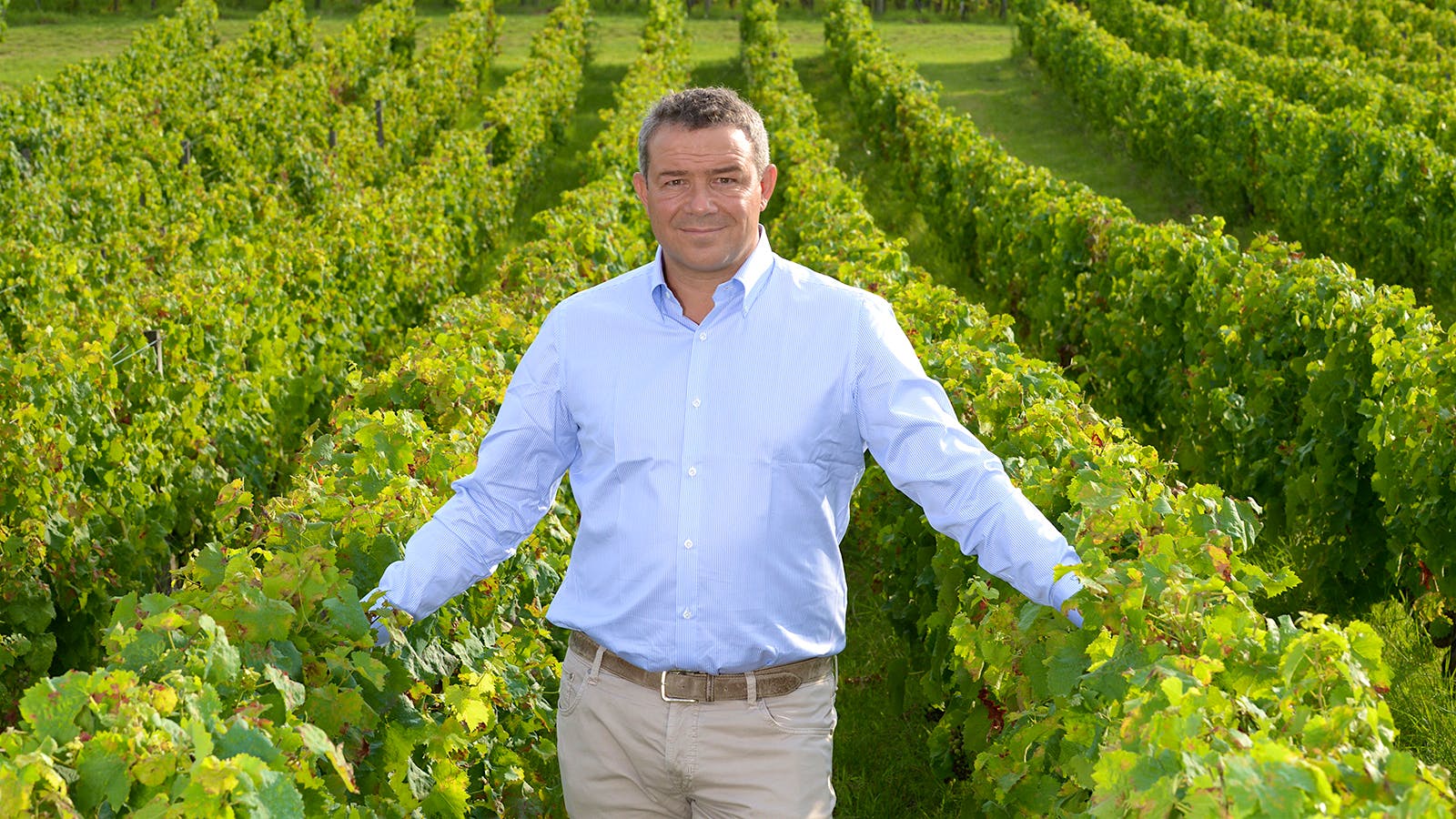
Marco Caprai, son of founder Arnaldo Caprai, an Italian textile entrepreneur who died in January at age 92, remains president and CEO. He increased his personal share in the winery from 25.5% to 35% in the transaction.
A Generational Transition
The sale is another example of the generational turnover many family wineries in Italy are experiencing. “My siblings didn’t have a great passion for this business and had wanted to be bought out for a long time,” Marco Caprai, 62, told Wine Spectator. “Especially in recent years, [the winery] was more of a thing between me and my father. I strongly believe my father would have viewed this partnership favorably.”
Both Angelini and Arnaldo Caprai are framing the deal as a “strategic partnership” given that Marco will remain at the helm—a change compared to Angelini’s previous wine acquisitions.
“This is not a standard M&A,” says Alberto Lusini, president and CEO of Angelini Wines & Estates. “This is the first [acquisition] in which we’re keeping the current management, the current family, running the business,” he said. “If you take away the family and the heritage from a company like Caprai, it could hurt the soul of the company.”
In addition to buying out Marco’s siblings, Angelini acquired the shares held by the Orlean fund, an investment company owned by Italian billionaire Gabriele Volpi. The Orlean fund had acquired 49% of the Arnaldo Caprai winery and the family’s textile business in 2021.
“The old partnership was a difficult coexistence, and this also led my siblings to think they needed to get out as soon as possible,” said Caprai.
Increasing Exports Is a Key Priority
Angelini will take over marketing, sales, distribution and exporting of Arnaldo Caprai’s wines, said Lusini. Both he and Caprai emphasize that increasing foreign sales is a major goal.
“[Angelini] brings an organization—a managerial culture and managerial structure,” said Caprai. “It brings great advantages to our company to be able to distribute in foreign countries more effectively. And it also brings the resources to do a major development [in] hospitality. We will do something beautiful in hospitality, but we can’t [reveal it] yet.”
Neither party expects Caprai’s winemaking methods to change. That said, its Belcompare wine “will become a central element of the production,” Lusini said. The 100% Merlot, created in collaboration with enologist Michel Rolland, is aged in barrique for two years and then eight months in bottle.
As for Arnaldo Caprai’s renowned Sagrantino, Lusini seeks to elevate it from a niche product to a go-to for sommeliers looking to offer guests an interesting choice. “The reason [for Arnaldo Caprai’s success] is that it managed to domesticate this beast of Sagrantino into something that is lush, fresh and fun to drink,” he said. “If it becomes and stays a strong restaurant item, that is exactly what we want to achieve.”
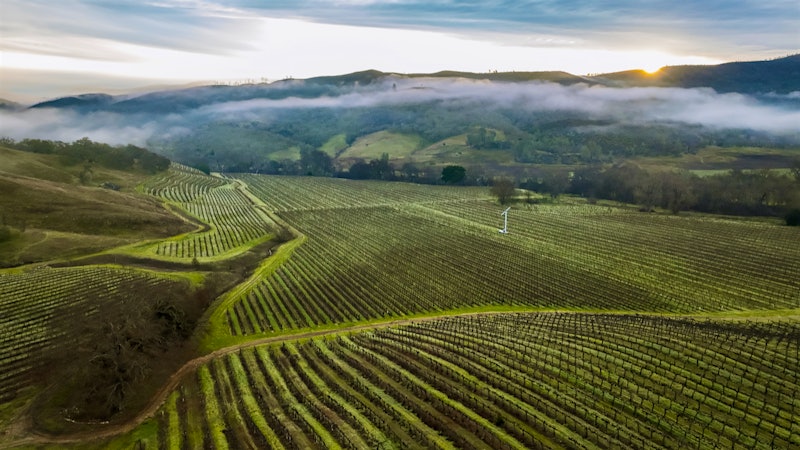
At present, Caprai owns about 370 acres of vineyards and produces about 80,000 cases annually. Before adding Caprai, Angelini Wines & Estates owned about 1,140 acres of planted vineyards across six wineries, producing about 350,000 cases annually.
Angelini started becoming a major player in wine in 1994 when it acquired three Tuscan wineries: Val di Suga in Montalcino, Tenuta Trerose in Montepulciano and San Leonino in Chianti Classico. In 2010, the company bought Puiatti in Friuli-Venezia-Giulia. The following year, it acquired Bertani in Valpolicella.
“This partnership is a great breath of optimism for Italian wine, because a large industrial group is investing in wine at a time when there are winds of crisis, moments of concern,” said Caprai. “It’s a great sign of optimism for the wine world, and a great sign of optimism for Umbria.”
Ron Geraci is a wine-loving writer who splits his time between San Diego and Salerno, Italy.
Stay on top of important wine stories with Wine Spectator’s free Breaking News Alerts.