

This article was originally published on Feb. 20th, 2026. It appears in the May 31, 2026, issue as “Court Strikes Down Wine Tariffs—Briefly.”
The U.S. Supreme Court has struck most of President Donald Trump’s tariffs on foreign goods, ruling that the duties were improperly imposed when the White House relied on a 1977 law called the International Emergency Economic Powers Act (IEEPA). The decision means that wine importers no longer face high duties when bringing in foreign wines and that domestic wineries will be spared tariffs on many of the goods they use in production.
Speaking a few hours later about the justices who ruled against him, Trump said, “They’re very unpatriotic and disloyal to our Constitution.” The administration has been looking into alternative methods for imposing the tariffs for several months now, since the Court heard arguments in October. Within a few hours, Trump announced he would be imposing a 10% global tariff under Section 122 of the 1974 Trade Act. Those tariffs would be in effect for 150 days and could last longer if Congress approves them. It’s unclear how quickly the White House could impose long-term tariffs, though Trump has several options.
“This spring, thousands of American small businesses like mine were thrown into chaos,” said Victor Schwartz, founder of VOS Selections, a New York–based wine importer who was one of the primary plaintiffs in the case, in a statement. “The administration’s tariff taxes, which my business was forced to pay, threatened our survival. Thankfully, courts at every level recognized these duties for what they were: unconstitutional government overreach.”
Chloe Schwartz, co-proprietor of VOS, told Wine Spectator, “We are elated!”
The Power To Tax
Trump has long believed that tariffs are an effective weapon in economics and foreign policy and quickly imposed new ones after beginning his second term. For most of them, he relied on IEEPA, which gives the president broad powers to regulate financial transactions upon declaring a national emergency, but does not explicitly mention tariffs. No president has previously used IEEPA to enact them.
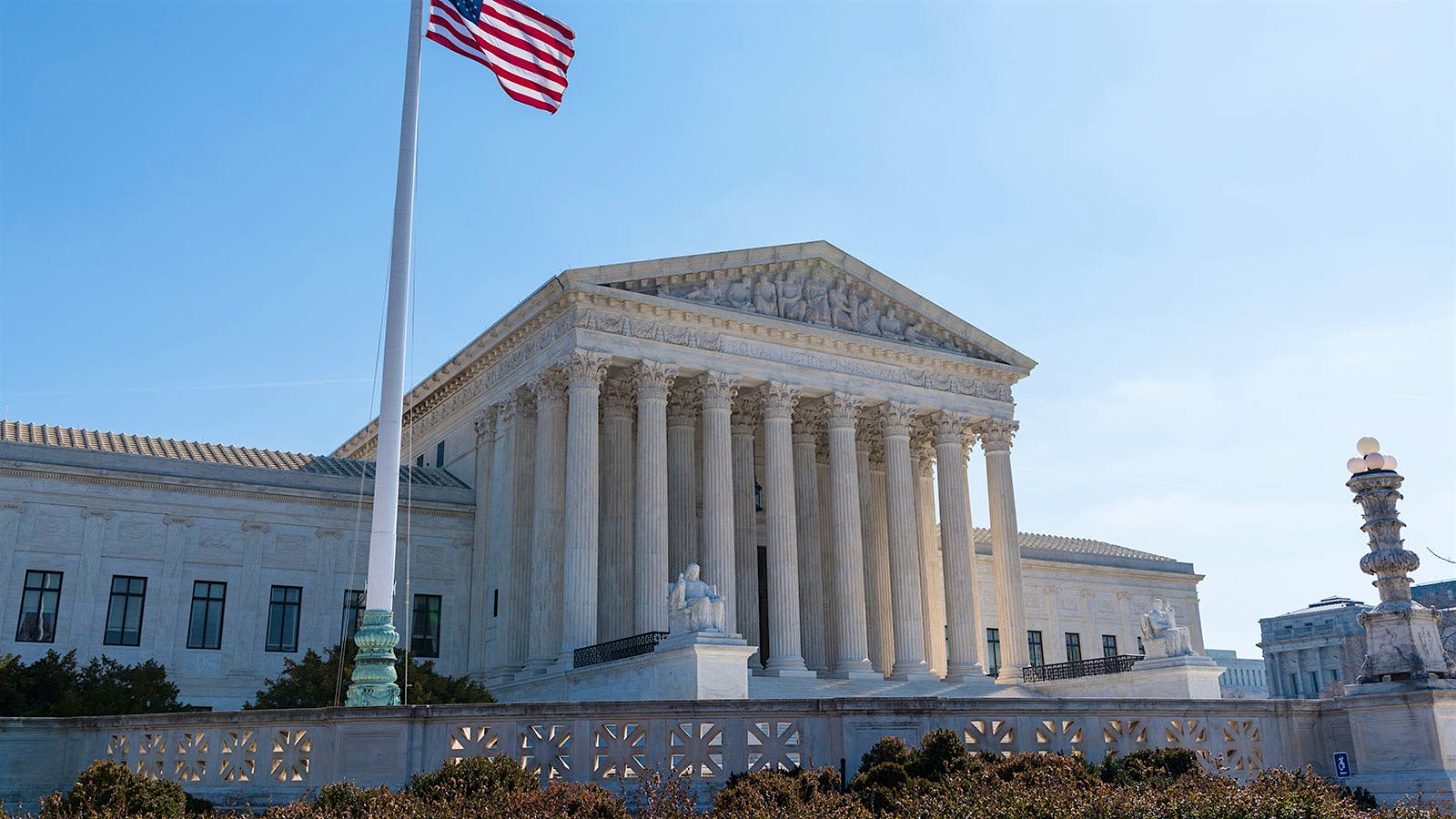
The Court’s decision said IEEPA was not the proper tool to use. The decision was 6–3, with three conservative justices joining three liberal justices to strike down the tariffs. Chief Justice John Roberts wrote the majority decision: “Article I, Section 8, of the Constitution specifies that ‘The Congress shall have Power To lay and collect Taxes, Duties, Imposts and Excises.’ The Framers recognized the unique importance of this taxing power—a power which ‘very clear[ly]’ includes the power to impose tariffs.
"The President asserts the extraordinary power to unilaterally impose tariffs of unlimited amount, duration and scope," Roberts wrote. But the Trump administration "points to no statute" in which Congress has said that the language in IEEPA could apply to tariffs. “We hold that IEEPA does not authorize the president to impose tariffs.”
What’s Next?
One issue the Court did not address is whether businesses who have paid the tariffs can apply for refunds. Lower court rulings allowed for that, and the issue will now undoubtedly be raised. As of mid-December, IEEPA tariffs had raised about $130 billion, according to the latest data available from U.S. Customs and Border Protection. New York Federal Reserve Bank researchers calculated that American households and businesses paid 90% of last year's tariffs.
The president has several other constitutionally tested methods of imposing tariffs. The administration could use Section 122 of the 1974 Trade Act to enact a 15% global tariff for 150 days, to start. Simultaneously, the White House could launch multiple trade investigations under a regulation titled Section 301, which allows the president to issue broad tariffs in response to unfair trading practices after first conducting an investigation.
—With reporting by Rachel Shanker
Stay on top of important wine stories with Wine Spectator’s free Breaking News Alerts.